Introduction to Enterprise AI Development: Transforming Business in the Digital Age
In the ever-evolving landscape of technology and business, the term “Artificial Intelligence” has become more than just a buzzword. It has evolved into a transformative force that promises to reshape industries, streamline operations, and drive innovation. At the forefront of this AI revolution, Enterprise AI Development is playing a pivotal role. This article serves as an introduction to Enterprise AI Development, shedding light on its significance, applications, and the impact it has on the modern business ecosystem.
The Rise of Enterprise AI Development
In recent years, artificial intelligence has gained remarkable momentum, thanks to advances in machine learning and data analytics. Enterprise AI Development represents a crucial domain within this paradigm. It’s not just about implementing AI in business processes; it’s about creating tailored, intelligent solutions that address the unique challenges and opportunities of each enterprise.
Understanding Enterprise AI
Enterprise AI can be defined as the development and deployment of AI-based systems and applications within the corporate environment. These AI systems are designed to optimize operations, enhance decision-making, and deliver a personalized experience to customers. They can span various domains, including customer service, marketing, finance, supply chain management, and more.
The Significance of Enterprise AI
1. Improved Decision Making
AI-driven solutions empower businesses with real-time data analysis and predictive capabilities. This, in turn, enhances decision-making processes by providing valuable insights and recommendations.
2. Enhanced Customer Experience
AI-driven chatbots, recommendation engines, and personalization tools can significantly improve the customer experience. They enable businesses to cater to individual preferences and provide more responsive services.
3. Operational Efficiency
By automating routine tasks, AI can improve operational efficiency, reduce costs, and free up human resources to focus on more strategic activities.
4. Competitive Advantage
Adopting Enterprise AI is no longer a luxury; it’s a competitive necessity. Organizations that embrace AI development gain a significant edge in the market.
Applications of Enterprise AI Development
Enterprise AI is not confined to a single industry or domain. It has diverse applications across various sectors:
1. Retail: AI-driven recommendations, inventory management, and supply chain optimization.
2. Healthcare: Predictive analytics, patient care automation, and drug discovery.
3. Finance: Fraud detection, algorithmic trading, and customer service chatbots.
4. Manufacturing: Predictive maintenance, quality control, and supply chain optimization.
5. Customer Service: AI chatbots, virtual assistants, and sentiment analysis.
6. Marketing: Personalized marketing campaigns, customer segmentation, and content optimization.
Challenges and Considerations
Despite its potential, Enterprise AI Development also comes with challenges:
1. Data Quality and Privacy: Effective AI systems rely on clean, high-quality data, and maintaining data privacy is critical.
2. Implementation Costs: Developing AI solutions can be costly, especially for smaller businesses.
3. Skills Gap: Finding and retaining AI talent can be a challenge.
4. Ethical Concerns: Ensuring AI systems are ethical and unbiased is a growing concern.
The Future of Enterprise AI Development
The journey of Enterprise AI Development has just begun. It promises to continue evolving, adapting to new technologies, and revolutionizing the way businesses operate. The future of Enterprise AI includes advancements in deep learning, reinforcement learning, and the fusion of AI with other emerging technologies like blockchain and the Internet of Things.
Revolutionizing Customer Engagement: The Role of AI Chatbot Development Companies
In today’s fast-paced digital world, businesses are constantly seeking innovative ways to improve customer engagement and streamline their operations. One of the most groundbreaking solutions that has gained immense popularity is the integration of AI-powered chatbots. These intelligent virtual assistants, known as chatbots, are reshaping the way companies interact with their customers. In this article, we will explore the world of AI chatbot development companies and how they are at the forefront of this technological revolution.

The Chatbot Revolution
Chatbots have become a ubiquitous presence in various industries, from e-commerce and healthcare to customer service and finance. They are designed to mimic human conversation, providing real-time responses to user queries, thus offering an interactive and personalized experience. The advent of artificial intelligence and natural language processing (NLP) has empowered chatbots to understand and respond to user input with remarkable accuracy.
Why AI Chatbots?
- 24/7 Availability: One of the key advantages of AI chatbots is their round-the-clock availability. They can handle customer inquiries, process orders, and provide support at any time, eliminating the need for customers to wait for human assistance during business hours.
- Consistency: AI chatbots offer consistency in responses and interactions, ensuring that customers receive uniform and accurate information every time.
- Cost-Efficiency: By automating routine tasks and customer support, businesses can significantly reduce operational costs. Chatbots can handle a multitude of inquiries simultaneously without the need for additional personnel.
- Scalability: Chatbots are easily scalable, making them suitable for businesses of all sizes. They can adapt to growing customer demand without incurring additional overhead.
- Data Analysis: Chatbots gather valuable user data, which can be used for analytics and decision-making, helping businesses understand customer behavior and preferences.
The Role of AI Chatbot Development Companies
AI chatbots are not off-the-shelf products; they require specialized development to meet the unique needs of businesses. This is where AI chatbot development companies come into play. These companies specialize in creating, customizing, and maintaining chatbots for various purposes. Here’s a closer look at their roles and responsibilities:
- Custom Bot Development: AI chatbot development companies have the expertise to build chatbots from the ground up. They work closely with businesses to understand their specific requirements and objectives, creating chatbots tailored to their needs.
- NLP Integration: Natural Language Processing is the backbone of chatbot intelligence. These companies integrate advanced NLP algorithms to enable chatbots to understand and respond to human language effectively.
- Multi-Platform Deployment: Chatbot development companies ensure that the chatbot is compatible with various messaging platforms, websites, and applications to reach customers wherever they are.
- Continuous Improvement: Chatbots require ongoing maintenance and refinement. AI chatbot development companies continuously update and improve chatbots to keep them relevant and efficient.
- Security: Ensuring data security is crucial. Chatbot development companies implement robust security measures to protect customer data and ensure compliance with data privacy regulations.
- Integration with Existing Systems: For businesses with existing systems and databases, chatbot development companies integrate chatbots seamlessly with those systems, enhancing their utility.
Choosing the Right AI Chatbot Development Company
Selecting the right AI chatbot development company is a critical decision for businesses looking to implement chatbots successfully. Here are some factors to consider:
- Expertise: Look for companies with a proven track record in chatbot development. Check their portfolio and client testimonials to assess their capabilities.
- Customization: Ensure the company can tailor chatbots to your unique business needs rather than offering one-size-fits-all solutions.
- Scalability: Consider the company’s ability to scale the chatbot as your business grows.
- Integration: Check if the company can seamlessly integrate chatbots with your existing systems and platforms.
- Data Security: Make sure they prioritize data security and comply with relevant regulations.
- Ongoing Support: Ask about their post-deployment support and maintenance services.
Real-World Examples
To better understand the impact of AI chatbot development companies, let’s explore a few real-world examples:
- Customer Support Chatbots: Many businesses have deployed chatbots for customer support, such as airlines using chatbots to assist passengers with flight-related queries.
- E-commerce Personalization: Online retailers use chatbots to provide personalized product recommendations based on customer preferences and purchase history.
- Healthcare Assistance: Chatbots are employed in the healthcare sector to answer patient inquiries, schedule appointments, and provide information about symptoms and treatments.
- Banking and Finance: Financial institutions use chatbots for account inquiries, fund transfers, and fraud detection.
The Future of AI Chatbot Development
The future of AI chatbot development holds immense potential. As technology continues to advance, chatbots will become even more sophisticated. Here are some trends to watch for:
- Emotional Intelligence: Chatbots will become better at understanding and responding to human emotions, providing more empathetic interactions.
- Multilingual Capabilities: Chatbots will become more proficient in multiple languages, enabling businesses to serve a global customer base effectively.
- Industry Specialization: Chatbots tailored for specific industries will become more common, offering highly specialized assistance.
- Voice-Activated Chatbots: Voice-activated chatbots, such as those integrated into smart speakers, will become increasingly prevalent.
AI chatbot development companies play a pivotal role in the adoption of chatbots across industries. These companies are driving innovation and helping businesses enhance customer engagement, reduce costs, and stay competitive in the digital age. As technology continues to evolve, the potential for chatbots and the companies that develop them is limitless. It’s an exciting time for businesses looking to embrace AI-powered chatbots as a means to revolutionize customer interactions and streamline operations.
Mastering Machine Learning Operations (MLOps) Consulting Services: Driving AI Excellence
In the rapidly evolving landscape of artificial intelligence (AI), ensuring that your machine learning models deliver consistent and reliable results is paramount. As the demand for AI solutions continues to grow, companies are turning to MLOps consulting services to streamline their machine learning operations. In this article, we’ll explore the significance of MLOps consulting services, the challenges they address, and how they empower businesses to harness the full potential of AI.
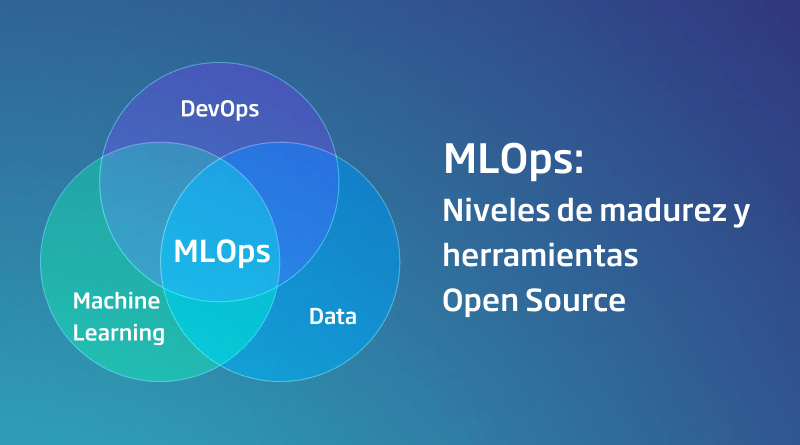
The Need for MLOps Consulting Services
Machine Learning Operations, or MLOps, is a discipline that unifies machine learning system development and operations. It brings together data scientists and IT professionals to automate and manage the end-to-end machine learning lifecycle. MLOps addresses several crucial challenges that organizations face when deploying machine learning models, including:
1. Model Deployment and Management
Deploying a machine learning model into a production environment can be a complex and error-prone process. It involves managing version control, monitoring performance, and ensuring scalability. MLOps consulting services can help companies develop robust deployment pipelines and implement monitoring solutions.
2. Data Management
Quality data is the lifeblood of machine learning. MLOps consultants can assist organizations in organizing, cleaning, and maintaining their data pipelines, ensuring that data is accessible and reliable for model training.
3. Collaboration
Effective collaboration between data scientists, engineers, and other stakeholders is essential for AI success. MLOps fosters collaboration by providing tools and processes for version control, documentation, and knowledge sharing.
4. Scalability
As AI solutions gain traction, they must be able to scale to meet increased demand. MLOps consultants can design infrastructure and processes that enable organizations to scale their AI systems efficiently.
The Role of MLOps Consulting Services
MLOps consulting services play a pivotal role in guiding organizations through the intricacies of developing and deploying machine learning models. Here’s how they contribute to AI excellence:
1. Strategic Planning
MLOps consultants work closely with businesses to understand their AI goals and challenges. They formulate a strategic plan that outlines the steps required to meet these objectives while considering the organization’s existing infrastructure and resources.
2. Technology Stack Evaluation
Selecting the right technology stack is vital in MLOps. Consultants help organizations choose the most suitable tools and platforms for their specific needs, whether it’s version control, data storage, or deployment frameworks.
3. Workflow Optimization
Efficient workflows are at the heart of MLOps. Consultants help create, optimize, and document workflows that streamline the entire machine learning process, from data collection to model deployment.
4. Model Governance
MLOps consultants implement model governance practices that ensure transparency, accountability, and compliance. This is particularly important in regulated industries like finance and healthcare.
5. Continuous Integration and Continuous Delivery (CI/CD)
Implementing CI/CD pipelines for machine learning models is a core MLOps practice. Consultants guide organizations in automating testing, deployment, and monitoring, reducing the risk of errors in production models.
MLOps Consulting in Action
To illustrate the impact of MLOps consulting services, let’s consider a real-world example:
Case Study: Optimizing Predictive Maintenance with MLOps
Company X, a manufacturing firm, sought to leverage AI to improve their predictive maintenance processes. They engaged an MLOps consulting firm to assist in this endeavor.
- Needs Assessment: The MLOps consultants began by assessing Company X’s existing infrastructure and data sources. They identified areas for improvement and clarified the business goals for predictive maintenance.
- Infrastructure and Tool Selection: The consultants recommended a combination of cloud-based data storage, data preprocessing tools, and a model deployment framework that aligned with Company X’s specific needs.
- Workflow Design: MLOps consultants designed an end-to-end workflow for data collection, model training, and real-time prediction. This workflow included version control, automated testing, and continuous monitoring.
- Model Deployment: With a well-defined deployment pipeline, Company X was able to deploy their predictive maintenance model in production. The consultants ensured that the model could scale with the increasing volume of data.
- Monitoring and Maintenance: Post-deployment, the consultants implemented a monitoring system to track model performance. This allowed for proactive maintenance and fine-tuning, ensuring that the model remained accurate over time.
The outcome was a highly efficient predictive maintenance system that reduced downtime, saved costs, and improved overall equipment effectiveness for Company X.
Benefits of MLOps Consulting Services
MLOps consulting services offer a range of benefits for organizations looking to enhance their AI capabilities:
1. Faster Time to Market
By streamlining the development and deployment process, MLOps consulting helps organizations bring AI solutions to market more quickly, gaining a competitive edge.
2. Improved Model Reliability
MLOps practices ensure that machine learning models remain reliable and accurate in real-world scenarios. Continuous monitoring and maintenance are key to this reliability.
3. Cost Savings
Efficient AI operations result in cost savings through reduced errors, improved resource utilization, and optimized infrastructure.
4. Compliance and Security
MLOps consultants implement best practices for data security and compliance, ensuring that AI systems adhere to industry regulations.
Challenges in Implementing MLOps
While MLOps consulting services offer numerous advantages, they are not without challenges. Some common hurdles include:
1. Resistance to Change
Adopting MLOps often requires a cultural shift within an organization. Resistance to change can slow down the process.
2. Skill Gaps
Finding and retaining MLOps talent can be challenging. Consultants can help bridge skill gaps by providing training and knowledge transfer.
3. Initial Investment
Implementing MLOps may require an initial investment in tools, infrastructure, and training. The long-term benefits, however, often outweigh these costs.
In a world driven by data and AI, the need for MLOps consulting services is more pressing than ever. These services empower organizations to harness the full potential of machine learning, ensuring the reliability, scalability, and efficiency of their AI systems. With the right MLOps consulting partner, businesses can navigate the complexities of AI development, achieve their goals, and stay ahead in a rapidly evolving landscape.
AI as a Service: Revolutionizing Business with On-Demand Intelligence
In today’s fast-paced digital world, businesses are constantly seeking innovative solutions to gain a competitive edge. Artificial Intelligence (AI) has emerged as a transformative force, capable of automating processes, making data-driven decisions, and improving customer experiences. However, harnessing the power of AI traditionally required significant investments in infrastructure, talent, and time. This is where “AI as a Service” comes into play, offering a game-changing approach to AI adoption.
AI as a Service is a concept that allows organizations to access and utilize AI capabilities without the complexities of in-house development. In this article, we will explore the profound impact of AI as a Service on various industries, its advantages, challenges, and real-world use cases.
Understanding AI as a Service
AI as a Service, often abbreviated as AIaaS, is a cloud-based offering where businesses can access and leverage pre-built AI models, APIs, and algorithms through the internet. This approach eliminates the need for in-house AI development, data infrastructure, and machine learning expertise. It democratizes AI, making it accessible to organizations of all sizes, from startups to large enterprises.
Advantages of AI as a Service
- Accessibility: One of the primary advantages of AI as a Service is that it democratises access to cutting-edge AI capabilities. Small and mid-sized businesses can now harness AI to compete with industry giants without massive investments.
- Cost Efficiency: Developing AI models from scratch can be prohibitively expensive. AI as a Service allows businesses to pay only for what they use, eliminating upfront costs and reducing financial risk.
- Speed of Implementation: Traditional AI development can take months or even years. With AIaaS, businesses can quickly integrate AI into their processes, products, and services.
- Scalability: AIaaS providers offer scalable solutions, allowing businesses to adjust their AI usage as needed. This flexibility is essential for accommodating changing demands.
- Reduced Technical Barriers: You don’t need an army of data scientists and AI experts. AIaaS abstracts much of the technical complexity, making AI adoption feasible for non-technical teams.
Challenges and Considerations
While AI as a Service offers significant advantages, it’s not without its challenges:
- Data Privacy and Security: Storing and processing data in the cloud requires robust security measures to protect sensitive information.
- Vendor Lock-In: Depending on a single vendor can lead to long-term dependencies. Interoperability and data portability are key considerations.
- Customization Limitations: While AIaaS solutions are versatile, they may not perfectly align with highly specific business needs.
- Reliability and Downtime: Businesses must ensure that their AIaaS provider has high availability and robust support.
Industries and Use Cases
AI as a Service has made its mark across various industries, revolutionizing the way businesses operate. Here are some examples of how AIaaS is being applied:
1. Healthcare
AI as a Service is transforming healthcare by enabling medical professionals to analyze patient data more effectively, identify diseases at an early stage, and personalize treatment plans. It also assists in drug discovery, improving the efficiency of clinical trials, and managing hospital resources.
2. Retail
In the retail sector, AIaaS is used for demand forecasting, inventory management, personalized marketing, and enhancing the customer shopping experience. Chatbots and virtual assistants are AI applications that improve customer interactions and streamline operations.
3. Finance
Financial institutions leverage AIaaS for fraud detection, algorithmic trading, risk assessment, and customer service. AI models can analyze vast datasets in real-time to make accurate predictions and decisions.
4. Manufacturing
AIaaS plays a vital role in optimizing production processes, predictive maintenance, quality control, and supply chain management. It helps manufacturers reduce downtime, improve product quality, and enhance overall operational efficiency.
5. Customer Service
Many businesses are adopting AI as a Service to enhance customer service. Chatbots and virtual agents provide instant responses to customer queries, reducing response times and improving customer satisfaction.
6. Education
In the education sector, AIaaS is used for personalized learning experiences, student assessment, and administrative tasks. AI models analyze student performance data to identify areas for improvement.
Prominent AI as a Service Providers
Several companies offer AI as a Service solutions, each with its unique strengths and capabilities:
- Google Cloud AI: Provides a wide range of AI and machine learning services, including natural language processing, image analysis, and video intelligence.
- Amazon Web Services (AWS): Offers AI services like Amazon SageMaker for building, training, and deploying machine learning models.
- Microsoft Azure: Azure AI provides pre-built AI models and services for various industries and use cases.
- IBM Watson: Known for its AI capabilities in natural language processing, Watson offers solutions for businesses, healthcare, and more.
- OpenAI: Offers a range of language models and APIs for developers, making it easier to integrate AI into applications.
The Future of AI as a Service
AI as a Service is expected to grow in popularity as AI technologies continue to advance. As more businesses understand the benefits of AIaaS, the market will expand, leading to greater innovation and competition. AIaaS providers will likely continue to develop more specialized and customizable solutions to meet the specific needs of different industries.
AI as a Service is not just a trend; it’s a transformative force in business. It empowers organizations to harness the power of AI without the barriers of traditional AI development. As AIaaS evolves, it will drive new levels of efficiency, innovation, and competitiveness across industries. To stay ahead, businesses should explore how AI as a Service can revolutionize their operations and drive future success.
In conclusion, AI as a Service is changing the game for businesses of all sizes. It’s democratizing AI, making it accessible, cost-effective, and scalable. With the advantages of speed and simplicity, AIaaS is paving the way for unprecedented levels of innovation and competitiveness in the digital era. Businesses that embrace this transformative technology are poised to thrive in an increasingly AI-driven world.
Unleashing the Power of AI: The Role of Stable Diffusion Developers
Introduction
Artificial Intelligence (AI) is at the forefront of technological innovation, and it continues to shape and revolutionize various industries. Within AI, one of the emerging and powerful concepts is Stable Diffusion, a cutting-edge development technique that is transforming the landscape of AI research and application. In this article, we will delve deep into the world of Stable Diffusion Developers, exploring what Stable Diffusion is, its significance, and the role these developers play in advancing AI technologies.
Understanding Stable Diffusion
Stable Diffusion is a relatively new concept in the field of machine learning and artificial intelligence. It is primarily concerned with generating high-quality data and images using generative models. The term “Stable Diffusion” is derived from the mathematical process it employs to improve the training of these models.
At its core, Stable Diffusion is focused on improving the stability of training deep neural networks. By enhancing the training process, it enables the generation of more realistic and coherent data, which has wide-ranging applications in areas such as image synthesis, natural language processing, and more. Stable Diffusion is particularly influential in the development of generative adversarial networks (GANs) and other generative models.
The Significance of Stable Diffusion
Stable Diffusion plays a crucial role in AI research and application for several reasons:
- Enhanced Data Generation: Stable Diffusion allows for the creation of highly realistic and diverse datasets. This is valuable in scenarios where large amounts of data are required for training AI models, such as in image recognition, language translation, and autonomous vehicles.
- Improved Model Training: By increasing the stability of training, Stable Diffusion helps AI models converge faster and produce better results. This is essential for the development of AI applications that are efficient and accurate.
- Realism in AI-generated Content: Stable Diffusion is instrumental in creating AI-generated content that is virtually indistinguishable from human-generated content. This has implications in creative fields, content generation, and more.
- Reducing Bias and Errors: Stable Diffusion contributes to reducing bias and errors in AI-generated content. This is particularly important in applications like facial recognition and natural language processing, where accuracy and fairness are paramount.
The Role of Stable Diffusion Developers
Stable Diffusion Developers are the innovators and experts who specialize in the application of Stable Diffusion techniques. They are at the forefront of AI research and development, contributing significantly to the advancement of AI technology. Their roles and responsibilities encompass several key areas:
- Research and Development: Stable Diffusion Developers are continuously engaged in research to refine and enhance Stable Diffusion algorithms. They work on developing new techniques and improving existing ones to achieve better results in data generation and model training.
- Customization for Specific Applications: These developers tailor Stable Diffusion techniques to suit the specific requirements of various applications. For example, Stable Diffusion techniques used in medical imaging may differ from those applied in creative content generation.
- Collaboration with AI Teams: Stable Diffusion Developers often work closely with AI teams and data scientists to implement Stable Diffusion techniques in AI projects. This collaboration ensures that the technology is effectively integrated into AI systems.
- Quality Assurance: Ensuring the quality and reliability of AI-generated content is a critical responsibility of Stable Diffusion Developers. They perform rigorous testing and validation to eliminate errors and biases in the generated data.
Applications of Stable Diffusion
The applications of Stable Diffusion are diverse and far-reaching. Stable Diffusion techniques are used in various industries and sectors, including:
1. Healthcare
In the healthcare sector, Stable Diffusion is applied in medical imaging. It aids in the generation of high-resolution and highly accurate medical images, which are vital for diagnosis and treatment planning. This technology has the potential to save lives by providing medical professionals with better diagnostic tools.
2. Creative Content Generation
Stable Diffusion has had a significant impact on creative industries such as film, gaming, and art. It enables the creation of lifelike 3D models, realistic special effects, and even entire scenes, reducing the time and resources required for content production.
3. Natural Language Processing
In natural language processing, Stable Diffusion techniques are used to generate human-like text. Chatbots and virtual assistants powered by Stable Diffusion can engage in more natural and context-aware conversations with users.
4. Autonomous Vehicles
In the development of autonomous vehicles, Stable Diffusion helps in creating realistic simulations and generating training data for machine learning algorithms. This is crucial for improving the safety and reliability of self-driving cars.
Challenges and Future Developments
While Stable Diffusion has made significant strides in AI development, it is not without its challenges. One of the primary challenges is the computational cost associated with Stable Diffusion methods. Training models using these techniques can be resource-intensive, necessitating the use of powerful hardware and infrastructure.
In the future, the field of Stable Diffusion is expected to overcome these challenges by optimizing algorithms and making them more efficient. Researchers and developers are actively working on reducing computational requirements while maintaining the quality and stability of training.
Another area of future development is the integration of Stable Diffusion with other AI technologies, such as reinforcement learning and transfer learning. This could lead to even more powerful and versatile AI models.
Unleashing the Power of Machine Learning and Data Science Consulting Services
Introduction:
In today’s data-driven world, machine learning and data science have become integral to business success. These technologies empower companies to extract valuable insights, make data-informed decisions, and automate processes. However, navigating the complex landscape of machine learning and data science can be challenging. This is where Machine Learning Consulting Services and Data Science Consulting Services come into play. In this article, we will explore the importance, benefits, and real-world applications of these services, and how they can unlock the full potential of data for your business.
The Evolution of Data-Driven Decision-Making
In recent years, organizations have realized that data is one of their most valuable assets. They collect vast amounts of data from various sources, such as customer interactions, operations, and marketing efforts. This data holds the key to better understanding their customers, optimizing operations, and gaining a competitive edge in the market. However, the sheer volume and complexity of data can be overwhelming.
Machine learning and data science provide tools and techniques to harness the power of data effectively. These technologies enable businesses to analyze large datasets, uncover patterns and trends, and make predictions. They can automate routine tasks, improve customer experiences, and identify cost-saving opportunities.
The Challenge: Complex and Rapidly Evolving Field
The field of machine learning and data science is characterized by its complexity and rapid evolution. New algorithms, libraries, and best practices are constantly emerging. Staying up-to-date with the latest developments is a challenge for organizations. Moreover, implementing machine learning and data science projects often require a deep understanding of statistics, programming, and domain-specific knowledge.
The Role of Consulting Services
This is where Machine Learning Consulting Services and Data Science Consulting Services come to the rescue. These consulting services offer expertise, experience, and resources that organizations may not have in-house. Here’s how they play a crucial role:
1. Specialized Knowledge
Consulting firms specializing in machine learning and data science employ experts with a deep understanding of the field. They are well-versed in various algorithms, statistical techniques, and programming languages. This expertise is essential for designing and implementing successful data-driven solutions.
2. Tailored Solutions
One size does not fit all when it comes to machine learning and data science. Consulting services work closely with clients to understand their unique challenges, goals, and datasets. They then design tailored solutions that address specific business needs, ensuring that the data-driven insights are aligned with the organization’s objectives.
3. Project Management
Managing machine learning and data science projects can be complex. Consulting services provide project management expertise to ensure that projects stay on track, are completed on time, and meet predefined quality standards. This reduces the risk of projects running over budget or experiencing unforeseen delays.
4. Scalability
Machine learning and data science projects often involve large datasets and complex computations. Consulting services can offer scalable solutions, utilizing cloud resources and distributed computing, to handle the growing needs of the business.
5. Quality Assurance
Quality assurance is crucial in the field of data science. Consulting services implement rigorous testing and validation processes to ensure the accuracy and reliability of the developed models and insights. This guarantees that the decisions made based on the data are well-informed and trustworthy.
Real-World Applications
To better understand the impact of Machine Learning Consulting Services and Data Science Consulting Services, let’s explore some real-world applications:
1. Predictive Maintenance
In industries like manufacturing, the use of sensors and IoT devices generates vast amounts of data. Machine learning algorithms can analyze this data to predict when equipment is likely to fail. This enables companies to schedule maintenance proactively, reducing downtime and minimizing costs.
2. Customer Churn Analysis
In the highly competitive realm of subscription-based services, understanding customer behavior is critical. Data science consultants can help companies analyze customer data to identify factors contributing to customer churn. With this insight, organizations can take measures to retain more customers.
3. Fraud Detection
Financial institutions rely on data science to detect fraudulent activities. Machine learning models can analyze transaction data to identify suspicious patterns and transactions in real-time, helping to prevent financial fraud and protect customer assets.
4. Healthcare Decision Support
Machine learning plays a vital role in healthcare, assisting medical professionals in diagnosis and treatment decisions. Consultants can develop models to analyze patient data, predict disease outcomes, and provide personalized treatment recommendations.
5. E-commerce Recommendations
Online retailers employ machine learning algorithms to provide customers with personalized product recommendations. These algorithms analyze customer browsing and purchase history to suggest products that are likely to interest the individual, thereby increasing sales and customer satisfaction.
Benefits of Machine Learning and Data Science Consulting Services
The benefits of leveraging consulting services in the field of machine learning and data science are manifold:
1. Expert Guidance
Consulting firms offer access to experts who understand the intricacies of machine learning and data science, providing valuable guidance and advice throughout the project’s lifecycle.
2. Faster Time-to-Insight
With consulting services, organizations can expedite their data-driven initiatives. Experts can efficiently handle complex tasks and provide insights more quickly than an in-house team that may still be developing expertise.
3. Cost-Efficiency
While consulting services require an investment, they often lead to cost savings in the long run. By avoiding common pitfalls and optimizing projects, organizations can achieve a higher return on their data-related investments.
4. Mitigated Risks
Consulting services reduce the risks associated with data-driven projects. Their expertise ensures that projects are executed with a lower margin of error, resulting in more reliable and actionable insights.
Choosing the Right Consulting Partner
Selecting the right consulting partner is crucial for the success of your machine learning and data science projects. Here are some key considerations:
- Experience: Look for firms with a proven track record in your industry or a similar domain.
- Expertise: Ensure that the consultants have expertise in the specific machine learning or data science techniques that align with your project.
- Communication: Effective communication is key to project success. Choose a consulting partner that can clearly articulate their ideas and work collaboratively with your team.
- Scalability: Consider the ability of the consulting firm to scale with your project’s needs as it grows.
- References: Ask for references and case studies that demonstrate the firm’s past successes.
- Cost-Effectiveness: While cost is a factor, consider the overall value provided by the consulting services, which extends beyond the initial project cost.
Machine learning and data science are transforming industries by unlocking the power of data. However, the complex nature of these fields makes it essential to seek the expertise of Machine Learning Consulting Services and Data Science Consulting Services. These consulting firms provide the knowledge, experience, and resources necessary to design and implement data-driven solutions tailored to your business needs.
With the right consulting partner, organizations can gain faster insights, mitigate risks, and achieve a higher return on their data-related investments. In an increasingly data-driven world, the role of consulting services in machine learning and data science is indispensable for businesses seeking a competitive edge and sustainable growth.
 Archie Evans Tech