In today’s rapidly changing technological landscape, Artificial Intelligence (AI) has emerged as a game-changer across various industries. As AI continues to advance, so does the need for companies to adapt and innovate. Enter the era of Adaptive AI Development Companies, organizations that are pushing the boundaries of AI technology to create more flexible, intelligent, and responsive solutions. In this article, we will explore the concept of adaptive AI development and the pivotal role it plays in shaping our AI-driven future.
Understanding Adaptive AI
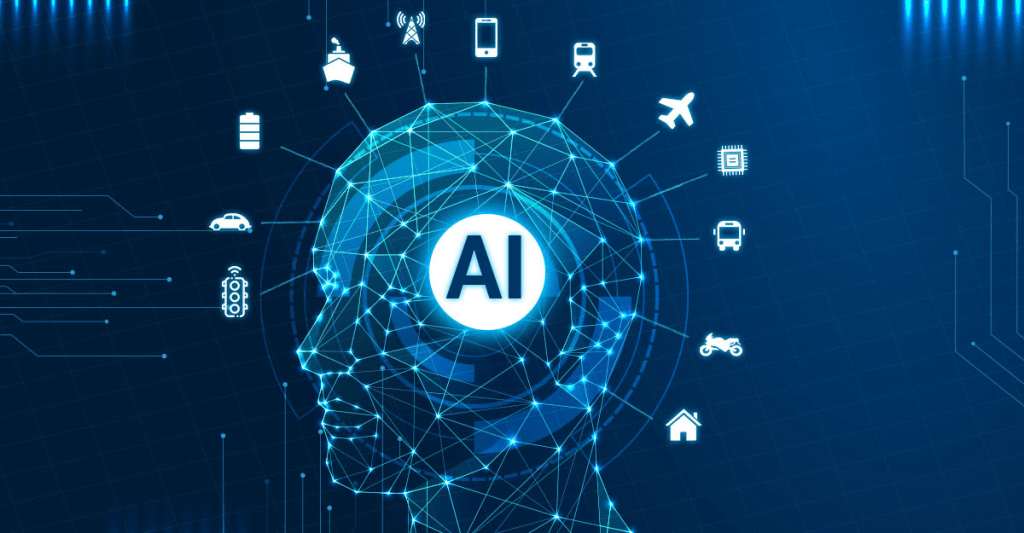
Adaptive AI, in essence, refers to AI systems that can learn, evolve, and adjust their behavior in response to changing circumstances and data. Traditional AI systems are often static and require extensive reprogramming or updates to adapt to new tasks or environments. Adaptive AI, on the other hand, leverages techniques such as reinforcement learning, deep learning, and neural networks to continuously refine their performance. They can recognize patterns, optimize processes, and make real-time decisions, ultimately leading to greater efficiency and improved outcomes.
The Need for Adaptability
In today’s dynamic world, the need for adaptability is more pressing than ever. From e-commerce and healthcare to finance and autonomous vehicles, industries are demanding AI solutions that can navigate unpredictable scenarios. Adaptive AI development companies have recognized this demand and are working diligently to create AI systems capable of tackling complex, ever-changing challenges.
Key Characteristics of Adaptive AI Development Companies
- Continuous Learning: Adaptive AI development companies prioritize the ability of their systems to learn continuously. This means that AI models adapt and improve as they interact with new data, enabling them to make more accurate predictions and decisions over time.
- Real-Time Adaptation: These companies focus on creating AI systems that can adapt in real-time. Whether it’s adjusting to changes in a manufacturing process or responding to sudden shifts in customer demand, the ability to adapt on the fly is a crucial feature.
- Customization: Adaptive AI is not a one-size-fits-all solution. These companies understand the importance of tailoring AI systems to meet the specific needs and challenges of each industry or organization.
- Flexibility: The adaptability of AI systems is reflected in their flexibility. Adaptive AI development companies work on models that can be easily reconfigured or fine-tuned without the need for extensive reprogramming.
Applications of Adaptive AI
- Healthcare: Adaptive AI is making strides in personalized medicine, where it can analyze patient data, medical history, and clinical research to tailor treatment plans for individuals. Moreover, it is used in early disease detection and predicting disease outbreaks.
- Financial Services: In the financial sector, Adaptive AI helps in fraud detection, trading, and risk management. These systems continuously adapt to new market conditions and emerging threats.
- Manufacturing: Adaptive AI is transforming manufacturing processes by optimizing production lines, predicting maintenance needs, and ensuring quality control. It can adapt to production line variations and fluctuating demand.
- Customer Service: Chatbots and virtual assistants powered by Adaptive AI can understand and respond to customers’ queries more effectively, providing a personalized experience. These systems adapt to the language, tone, and preferences of the users.
- Transportation: Adaptive AI is at the heart of autonomous vehicles, enabling them to navigate complex road conditions and adapt to real-time traffic situations. These systems continuously learn and improve safety and efficiency.
Leading Adaptive AI Development Companies
Several innovative companies are at the forefront of adaptive AI development. They are pushing the boundaries of what AI can achieve and are pioneering new approaches to adaptability and learning. Some notable companies include:
- OpenAI: OpenAI has been a driving force in the AI community, working on projects like GPT-3 that showcase the power of adaptive AI. They are dedicated to developing AI systems that can understand and generate human-like text, making it highly adaptable for various applications.
- DeepMind: DeepMind, a subsidiary of Alphabet, focuses on using AI to solve complex problems. They have made significant advancements in adaptive AI, particularly in areas such as healthcare, where their algorithms can predict patient deterioration.
- Salesforce: Salesforce, a leader in customer relationship management (CRM), incorporates adaptive AI into its platform to enhance customer interactions. Their Einstein AI, for instance, adapts to individual customer preferences, resulting in more effective sales and marketing strategies.
- NVIDIA: Known for its powerful GPUs, NVIDIA is a key player in developing AI systems that are highly adaptable for tasks like image recognition and autonomous driving. Their hardware and software innovations are critical to the development of adaptive AI.
The Ethical Implications
While adaptive AI holds tremendous promise, it also raises ethical concerns. The ability of AI systems to adapt and evolve could potentially lead to unintended consequences or biased decision-making. Ethical considerations in adaptive AI development are crucial to ensure that these technologies are used responsibly and fairly.
Conclusion
Adaptive AI development companies are at the forefront of transforming the AI landscape. They are creating AI systems that can learn, adapt, and respond to evolving challenges in real-time. This adaptability is crucial for industries and organizations to stay competitive in a constantly changing world.
As we move forward, it’s important for both developers and society as a whole to consider the ethical implications of adaptive AI and to ensure that these technologies are harnessed for the greater good. With the right balance of innovation and responsibility, adaptive AI can continue to revolutionize industries, improve the quality of life, and shape a more promising future.
 Archie Evans Tech