In the realm of natural language processing and artificial intelligence, ChatGPT has taken the world by storm as one of the most versatile and capable language models. A key component of ChatGPT’s capabilities lies in its embeddings, which are at the heart of its ability to understand and generate human-like text. In this article, we will delve into the world of ChatGPT embeddings, exploring what they are, how they work, and their transformative potential in various applications.
Understanding Embeddings
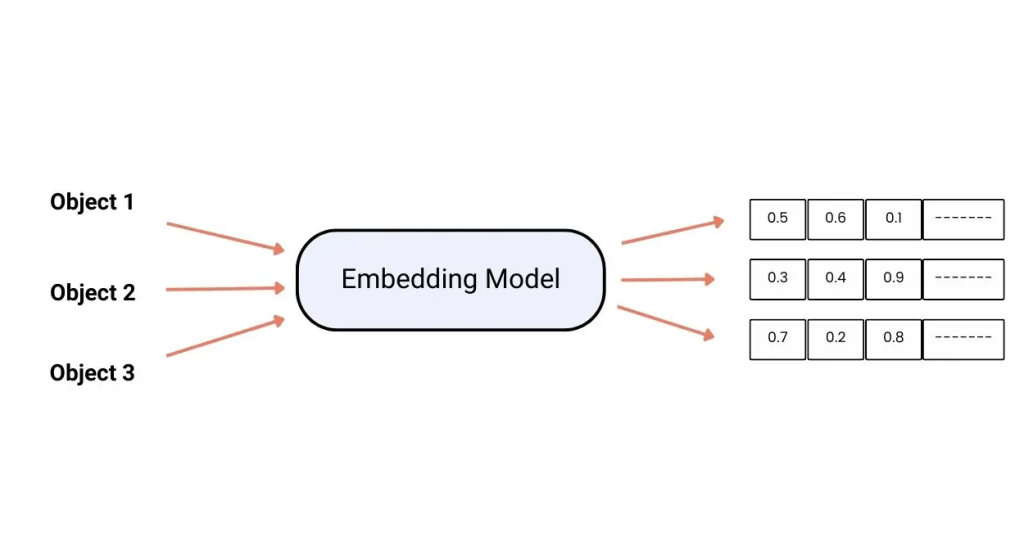
Before diving into ChatGPT’s embeddings, let’s first clarify what embeddings are. In the context of natural language processing, embeddings are representations of words or phrases in a continuous vector space. These representations capture the semantic and syntactic meaning of the text, making it easier for machines to understand and process language.
Embeddings transform words or phrases into numerical vectors, preserving their contextual meaning. For example, in a traditional word embedding model like Word2Vec, words with similar meanings are placed closer to each other in the vector space. This closeness enables models to grasp the relationships between words and understand the context in which they are used.
The Power of ChatGPT Embeddings
ChatGPT, powered by the GPT-3.5 architecture, takes embeddings to a whole new level. Unlike traditional word embeddings, ChatGPT’s embeddings capture not only individual words but entire sentences or paragraphs. This means that instead of just representing words, ChatGPT can embed entire conversations, which is fundamental to its ability to generate coherent and context-aware text.
The ChatGPT embeddings are learned through a massive amount of text data, enabling the model to grasp nuances and intricacies in the language. This extensive training makes ChatGPT embeddings capable of understanding the context and generating responses that are contextually appropriate and coherent.
Use Cases of ChatGPT Embeddings
The potential use cases of ChatGPT embeddings are virtually limitless. Here are some notable examples:
1. Conversational AI
ChatGPT embeddings have revolutionized the field of conversational AI. By embedding the context of a conversation, ChatGPT can maintain coherent and contextually relevant discussions. This is particularly valuable for chatbots, virtual assistants, and customer support applications. The ability to maintain context throughout a conversation enhances user engagement and satisfaction.
2. Content Generation
Another significant application is content generation. ChatGPT can use its embeddings to understand a user’s request and generate high-quality content, whether it’s in the form of articles, product descriptions, or creative writing. Content creators and marketers can benefit from the assistance of ChatGPT in generating valuable and engaging text.
3. Language Translation
ChatGPT’s embeddings can also aid in language translation. By embedding a sentence in one language and decoding it into another, ChatGPT can provide a powerful tool for breaking down language barriers. This technology has the potential to enhance global communication and facilitate cross-cultural interactions.
4. Sentiment Analysis
Sentiment analysis is another area where ChatGPT embeddings excel. By embedding and analyzing text, they can gauge the sentiment or emotional tone of a message, review, or social media post. This is invaluable for businesses seeking to understand customer feedback and sentiment on a large scale.
5. Creative Writing Assistance
Writers and creatives can leverage ChatGPT embeddings to receive assistance with their work. Whether it’s generating ideas, improving sentence structure, or enhancing storytelling, ChatGPT can provide creative insights and suggestions to writers, helping them refine their work.
How ChatGPT Embeddings Work
ChatGPT embeddings are the result of a sophisticated training process. The model uses a deep neural network with multiple layers of attention mechanisms to understand the context and generate embeddings. Here’s a simplified overview of the process:
- Input Encoding: The text input is tokenized, meaning it is divided into smaller units, such as words or subwords. These tokens are then converted into numerical representations.
- Positional Encoding: To account for the order of words in a sentence, positional information is added to the embeddings. This helps the model understand the sequence of words.
- Self-Attention Mechanism: ChatGPT uses self-attention mechanisms to weigh the importance of each word or token in the input text. This allows the model to focus on relevant information and understand the relationships between words.
- Layer Stacking: The process is repeated through multiple layers of self-attention, with each layer refining the embeddings and capturing more context.
- Output Generation: The final embeddings are used to generate responses or perform specific tasks, such as language translation or sentiment analysis.
The deep neural network and extensive training data enable ChatGPT to produce embeddings that are highly context-aware, making it a powerful tool for a wide range of applications.
Limitations and Ethical Considerations
While ChatGPT embeddings offer immense potential, they also come with challenges and ethical considerations. These include issues related to bias, misuse, and the potential to generate misleading or harmful content. OpenAI, the organization behind ChatGPT, has implemented measures to mitigate these concerns, but they remain important points of discussion in the AI community.
Conclusion
ChatGPT embeddings are a fundamental component of the model’s success. They allow ChatGPT to understand and generate human-like text, making it a valuable tool in various applications, from conversational AI to content generation and language translation. While the technology is powerful, it also comes with ethical responsibilities and challenges that need to be addressed.
As ChatGPT continues to evolve and be integrated into numerous applications, understanding its embeddings is essential. This technology is a testament to the remarkable progress made in the field of natural language processing, and it opens up new possibilities for enhancing human-machine interaction and communication. ChatGPT’s embeddings are, indeed, a cornerstone of the AI-driven future we are rapidly advancing into.
 Archie Evans Tech