Introduction
In the dynamic landscape of transportation and logistics, the integration of cutting-edge technologies has become imperative for achieving optimal efficiency and cost-effectiveness. One such revolutionary technology making waves in the fleet management industry is Artificial Intelligence (AI). This article explores the transformative impact of AI on fleet management, delving into its applications and the potential it holds for reshaping the future of transportation.
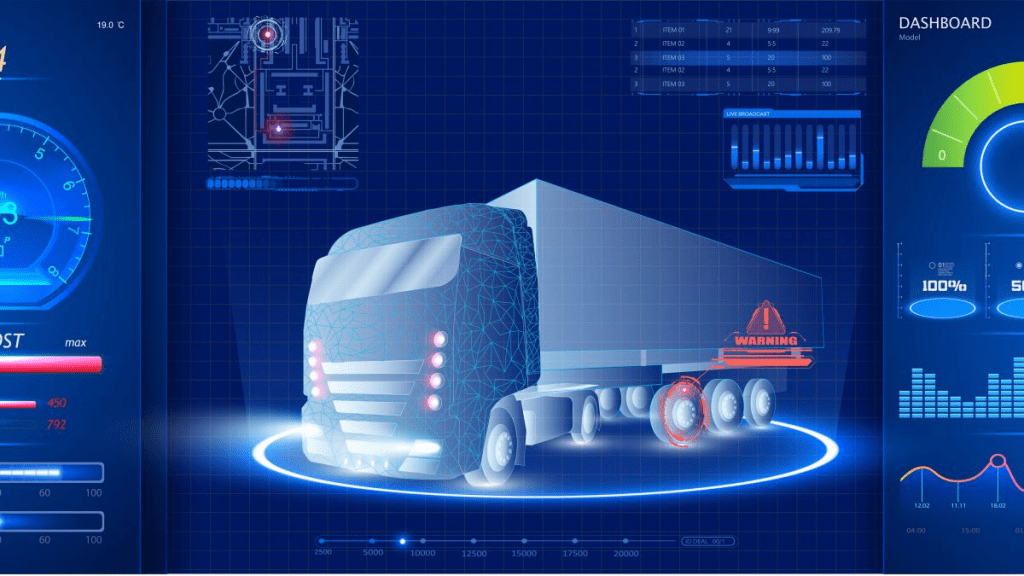
AI in Fleet Management: A Game-Changer
Enhancing Decision-Making with AI
AI empowers fleet managers with advanced analytics and predictive capabilities, revolutionizing decision-making processes. Through real-time data analysis, AI algorithms assess various factors such as traffic conditions, weather forecasts, and historical data to optimize route planning. This not only minimizes fuel consumption but also reduces overall operational costs.
Predictive Maintenance for Increased Reliability
AI’s ability to predict equipment failures before they occur is a significant boon for fleet management. Through machine learning algorithms, AI analyzes vehicle data, identifies patterns indicative of potential issues, and recommends preventive maintenance measures. This proactive approach reduces downtime, enhances vehicle reliability, and ultimately saves on maintenance costs.
Real-Time Monitoring and Tracking
AI-based tracking systems provide real-time insights into the location and status of each vehicle in a fleet. This not only ensures greater security but also facilitates efficient dispatching and route adjustments based on current conditions. The result is improved delivery times, reduced idle times, and enhanced customer satisfaction.
AI for Fleet Management: Key Applications
Fuel Efficiency Optimization
Fuel costs constitute a substantial portion of a fleet’s operational expenses. AI algorithms analyze driving patterns, fuel consumption data, and external factors to optimize routes and recommend fuel-efficient driving behaviors. This leads to significant savings in fuel costs and contributes to a more sustainable operation.
Intelligent Telematics for Safety
AI-powered telematics systems enhance safety by monitoring driver behavior and identifying potential risks. From detecting driver fatigue to analyzing harsh acceleration and braking patterns, AI algorithms provide actionable insights. Fleet managers can then implement targeted training programs to improve driver safety, reducing the likelihood of accidents and associated costs.
Inventory Management and Demand Forecasting
AI’s prowess extends beyond the road to the warehouse, aiding in inventory management and demand forecasting. By analyzing historical data and market trends, AI algorithms can predict future demand, enabling fleet managers to optimize inventory levels and streamline supply chain operations.
The Future of Fleet Management with AI
As technology continues to evolve, the role of AI in fleet management is poised to expand even further. Here are some anticipated developments:
Autonomous Vehicles
The integration of AI in fleet management sets the stage for the widespread adoption of autonomous vehicles. AI algorithms enable vehicles to navigate complex environments, make split-second decisions, and communicate with each other. This not only enhances operational efficiency but also holds the promise of reducing accidents caused by human error.
Advanced Route Optimization
Future AI developments will likely result in even more sophisticated route optimization algorithms. These algorithms will not only consider real-time traffic conditions but also factor in dynamic variables such as construction zones, road closures, and events. The result will be more adaptive and responsive route planning for fleets, further minimizing delays and optimizing delivery times.
Conclusion
In conclusion, the integration of AI in fleet management is a transformative force that significantly improves operational efficiency, reduces costs, and enhances overall safety. The key to unlocking these benefits lies in embracing and leveraging the power of AI technologies. As the industry continues to evolve, fleet managers who harness the capabilities of AI will undoubtedly stay ahead of the curve, ensuring a more sustainable, reliable, and cost-effective future for fleet management.
 Archie Evans Tech