Introduction
In the dynamic landscape of Banking and Finance, Artificial Intelligence (AI) has emerged as a transformative force. From streamlining operations to enhancing customer experiences, AI applications in this sector have grown exponentially. This article delves into the various use cases and benefits of AI in Banking and Finance.
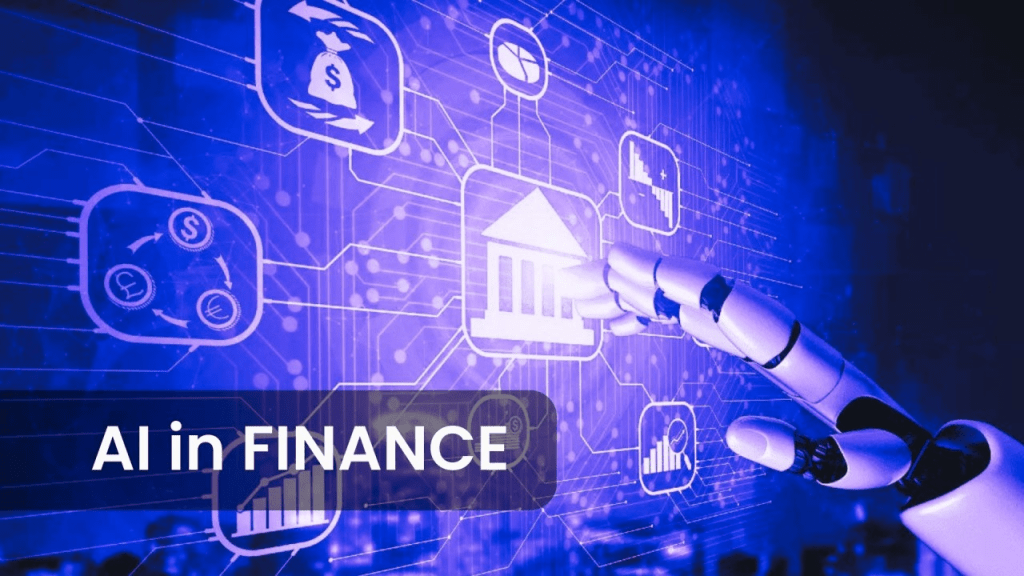
AI Application in Banking and Finance
1. Fraud Detection and Prevention
AI plays a pivotal role in safeguarding financial institutions against fraudulent activities. Machine learning algorithms analyze vast datasets to identify patterns indicative of fraudulent transactions, enabling real-time intervention and minimizing financial losses.
2. Customer Service and Chatbots
AI-powered chatbots revolutionize customer service by providing instant, personalized assistance. They handle routine queries, process transactions, and offer 24/7 support, improving customer satisfaction while reducing operational costs.
3. Credit Scoring and Risk Management
AI enhances the accuracy of credit scoring models by analyzing diverse data sources. This allows financial institutions to assess the creditworthiness of individuals and businesses more comprehensively, leading to better risk management.
4. Algorithmic Trading
In the realm of finance, AI algorithms are increasingly used for algorithmic trading. These algorithms analyze market trends, execute trades at optimal times, and adapt to changing market conditions, optimizing investment portfolios and maximizing returns.
5. Personalized Banking Services
AI enables banks to offer personalized services based on individual customer behavior and preferences. From tailored product recommendations to personalized financial advice, AI enhances the overall customer experience.
Benefits of AI in Banking and Finance
1. Enhanced Efficiency and Automation
One of the primary benefits of AI is its ability to automate mundane tasks, allowing financial institutions to allocate resources more efficiently. Automation reduces processing times, minimizes errors, and enables employees to focus on strategic decision-making.
2. Improved Customer Experience
AI-driven personalization enhances the customer experience by delivering targeted and relevant services. Chatbots provide instant responses, and personalized recommendations foster stronger customer engagement, leading to increased loyalty.
3. Risk Mitigation
AI’s predictive analytics and machine learning capabilities contribute to more accurate risk assessment. By identifying potential risks in real time, financial institutions can proactively implement measures to mitigate these risks, ensuring a more stable financial environment.
4. Cost Reduction
AI applications lead to significant cost reductions through process automation and efficiency gains. By automating routine tasks, financial institutions can streamline operations, optimize resource allocation, and ultimately reduce operational costs.
5. Data Security and Compliance
AI strengthens data security measures by continuously monitoring and analyzing patterns for potential security threats. It also aids in compliance management by ensuring that financial institutions adhere to regulatory requirements, reducing the risk of penalties and legal issues.
Conclusion
The integration of AI in Banking and Finance is not just a technological advancement; it’s a strategic imperative. The numerous applications and benefits discussed highlight how AI is reshaping the industry, offering unprecedented opportunities for growth, efficiency, and customer satisfaction. As financial institutions continue to embrace AI, the future of Banking and Finance promises to be more agile, secure, and customer-centric.







 Archie Evans Tech