In the fast-paced world of finance, Private Equity (PE) has long been regarded as a dynamic and lucrative sector, where the right investments can yield substantial returns. However, the landscape of private equity is continually evolving, and investors are constantly seeking innovative methods to gain a competitive edge. Enter Artificial Intelligence (AI), a groundbreaking technology that is transforming the way private equity firms make investment decisions and manage their portfolios. In this article, we will delve into the realm of AI in private equity, exploring how it is revolutionizing investment strategies, enhancing due diligence, and optimizing portfolio management.
AI for Private Equity: An Overview
Artificial Intelligence, often referred to as AI, is a branch of computer science that focuses on creating machines capable of performing tasks that typically require human intelligence. In the context of private equity, AI leverages complex algorithms and data analysis to provide valuable insights and predictions that can inform investment decisions. Here are some key areas where AI is making a significant impact:
Data Analysis and Forecasting: AI-powered algorithms can analyze vast datasets more efficiently and accurately than humans. Private equity firms can use AI to predict market trends, identify potential investment opportunities, and assess the financial health of target companies.
Due Diligence: AI can automate and streamline the due diligence process, making it faster and more precise. By analyzing a company’s financial statements, contracts, and historical performance, AI helps investors make informed decisions.
Portfolio Management: AI can assist in optimizing portfolio construction and management. It can assess risk, monitor the performance of portfolio companies, and suggest adjustments to enhance overall returns.
Valuation and Pricing: AI models can aid in the valuation of companies by considering various factors, such as industry benchmarks, market conditions, and financial metrics. This helps private equity firms arrive at more accurate pricing for potential acquisitions.
Market Monitoring and Sentiment Analysis: AI algorithms can track news, social media, and online sentiment to gauge market sentiment and assess how public opinion might affect investments.
AI-Powered Due Diligence
One of the most critical aspects of private equity is conducting thorough due diligence before making an investment. Traditionally, this process involved a labor-intensive review of financial statements, legal documents, and market data. With AI, due diligence becomes faster and more comprehensive.
AI can sift through immense volumes of documents in a fraction of the time it would take a human team. It can identify anomalies and inconsistencies in financial data, uncover hidden risks, and even detect signs of potential fraud. Moreover, machine learning algorithms can predict the future performance of a target company based on historical data, reducing the uncertainty associated with investment decisions.
Enhancing Portfolio Management
Once an investment is made, private equity firms must actively manage their portfolios to maximize returns and minimize risks. AI tools are proving invaluable in this regard.
Portfolio management powered by AI includes continuous monitoring of the financial health of portfolio companies. These systems can provide real-time updates on key performance indicators and offer suggestions for adjustments to improve profitability. By identifying issues early on, private equity firms can take proactive measures to protect their investments.
Additionally, AI can assist in optimizing the allocation of resources across the portfolio. It can analyze data to determine which companies are performing well and which may need additional support. This data-driven approach to portfolio management ensures that resources are allocated where they will have the most significant impact.
Valuation and Pricing Precision
Accurate valuation is fundamental to private equity investments. AI models can enhance valuation by considering a wide array of factors. These factors can include the financial health of the target company, industry benchmarks, market conditions, and historical data. By incorporating these variables, AI can provide more accurate pricing for potential acquisitions.
Furthermore, AI can assist in scenario analysis, enabling private equity firms to assess the impact of various factors on the valuation of their investments. This comprehensive analysis allows for better-informed investment decisions.
Market Monitoring and Sentiment Analysis
The financial markets are influenced not only by financial data but also by public sentiment. AI can provide private equity firms with tools to monitor news, social media, and other online sources to gauge market sentiment and assess how it might impact their investments. This helps firms stay ahead of market trends and make adjustments to their strategies as needed.
In conclusion, AI is reshaping the landscape of private equity. From streamlining due diligence to enhancing portfolio management, improving valuation accuracy, and monitoring market sentiment, AI offers a wide range of applications that empower private equity firms to make more informed, data-driven decisions. As AI technologies continue to evolve, their role in the private equity sector is only set to expand, bringing new opportunities and challenges for investors in this dynamic field. Embracing AI for private equity may very well be the key to staying competitive and achieving superior returns in an ever-evolving financial landscape.
In the realm of technology, Artificial Intelligence (AI) has emerged as a transformative force, redefining industries and the way we interact with information. AI-driven models and systems have infiltrated our daily lives, from virtual assistants on our smartphones to intricate algorithms that power recommendation engines. While the rapid proliferation of AI is exciting, it raises important concerns about AI security. In this article, we will explore the significance of AI security, potential threats, and strategies for safeguarding AI models in the modern digital landscape.
The Significance of AI Security
AI, as an Enabler and a Vulnerability
AI has proven itself to be an enabler of innovative applications across various sectors, from healthcare to finance. However, it is also a potential vulnerability. As AI models become increasingly complex, they become more susceptible to exploitation. AI security is of paramount importance because vulnerabilities in AI systems can have far-reaching consequences, such as privacy breaches, financial losses, or even threats to national security.
Protecting Sensitive Data
Many AI applications rely on sensitive data, such as personal and financial information, medical records, and classified government data. Ensuring the security of AI models is not only about protecting the technology itself but also safeguarding the data they process. AI security is thus intertwined with data security.
Preserving Ethical Considerations
AI systems are often used to make critical decisions, including those that impact human lives. For example, in healthcare, AI is employed for diagnosis and treatment recommendations. In these cases, AI models must adhere to ethical guidelines, including fairness, transparency, and accountability. AI security encompasses the protection of ethical values in AI systems.
Potential Threats to AI Security
Adversarial Attacks
Adversarial attacks are a prominent threat to AI security. These attacks involve manipulating input data to deceive AI models. For instance, by adding imperceptible noise to an image, an attacker can make an AI-powered image recognition system misclassify objects. Adversarial attacks can have dangerous consequences, particularly in sectors like autonomous vehicles and facial recognition.
Data Poisoning
Data poisoning occurs when attackers manipulate the training data used to build AI models. Malicious actors can introduce subtle, strategically placed errors or biases in the training data, which can lead to AI models making incorrect predictions or decisions. Data poisoning can be especially problematic in applications like fraud detection and recommendation systems.
Model Inversion
Model inversion attacks are designed to extract sensitive information from AI models. By providing specific inputs and observing the outputs, attackers attempt to reverse-engineer the model, potentially uncovering confidential data. This poses a significant threat to models that handle personal or proprietary information.
Privacy Violations
AI models trained on sensitive data, such as medical records, can inadvertently disclose private information. Privacy breaches can occur if AI models store data insecurely or if their outputs inadvertently reveal confidential details. Ensuring AI security is critical for preserving user privacy.
Exposure of Intellectual Property
Companies invest significant resources in developing AI models that give them a competitive edge. The exposure of AI models can result in the theft of intellectual property. Protecting AI security is essential for safeguarding proprietary algorithms and models.
Strategies for Safeguarding AI Models
Regular Model Testing and Validation
Regular testing and validation of AI models are crucial to identify vulnerabilities and weaknesses. Robust testing can help detect and mitigate potential adversarial attacks, data poisoning, and other security threats. Continuous monitoring is essential to ensure that AI models perform as expected and are not compromised.
Secure Data Handling
Protecting data used in AI training is a fundamental aspect of AI security. Robust data encryption, access controls, and secure data storage mechanisms must be implemented to prevent unauthorized access and data breaches. Compliance with data privacy regulations is also imperative.
Implementing Ethical AI Guidelines
AI security must align with ethical guidelines. Transparency, fairness, and accountability should be embedded in AI systems. Employing explainable AI methods can enhance transparency, helping users understand the decisions made by AI models.
Enhanced Access Controls
Access controls are vital for restricting who can interact with AI models and their data. Multi-factor authentication, role-based access control, and strict permission management can help prevent unauthorized access and tampering.
Regular Updates and Patch Management
AI models, like any other software, require regular updates and patches to address vulnerabilities and security risks. Security patches should be promptly applied to ensure that AI systems remain secure and up-to-date.
Security Training and Awareness
Training and educating staff and developers about AI security best practices are essential. Awareness of potential threats, common attack vectors, and security protocols can help prevent security lapses.
Collaboration and Information Sharing
Sharing information about AI security threats and best practices is essential for the collective security of the AI community. Collaboration with industry peers and the broader cybersecurity community can lead to more robust defenses against evolving threats.
Conclusion
The ubiquity of AI models in our daily lives demands a concerted focus on AI security. As AI technology advances, so do the threats it faces. Protecting sensitive data, preserving ethical considerations, and safeguarding intellectual property are all facets of AI model security. Identifying potential threats such as adversarial attacks, data poisoning, model inversion, privacy violations, and exposure of intellectual property is essential for developing a comprehensive security strategy.
The strategies for safeguarding AI models encompass regular testing, secure data handling, ethical AI implementation, access controls, regular updates, security training, and collaboration. By adhering to these principles and constantly adapting to the evolving threat landscape, organizations and individuals can contribute to the responsible and secure use of AI, ensuring its positive impact on society and preventing its misuse. In a world increasingly reliant on AI, AI security is not a luxury; it’s a necessity.
In the ever-evolving landscape of technology and business, one term has gained significant prominence in recent years: Enterprise AI Development. This revolutionary field is transforming the way businesses operate, make decisions, and interact with their customers. In this article, we will explore the significance of Enterprise AI Development, its applications, challenges, and the key considerations for implementing AI solutions in the corporate world.
The Rise of Enterprise AI
Artificial Intelligence (AI) has come a long way since its inception, evolving from a niche concept to a mainstream business asset. Enterprise AI, in particular, focuses on developing and deploying AI technologies within the corporate environment to enhance efficiency, productivity, and decision-making. From automating routine tasks to providing insights based on data analysis, AI is becoming an indispensable tool for businesses of all sizes.
Applications of Enterprise AI
Enterprise AI development spans a wide array of applications, all designed to optimize different aspects of business operations:
Customer Relationship Management (CRM): AI-powered chatbots and virtual assistants have become integral for providing real-time customer support, increasing customer satisfaction, and ensuring 24/7 availability.
Data Analytics: AI-driven data analysis tools assist in uncovering valuable insights from massive datasets, enabling data-driven decision-making, predictive analytics, and market trend identification.
Supply Chain Management: AI optimizes inventory control, demand forecasting, and logistics, reducing operational costs and improving supply chain efficiency.
Human Resources: AI helps streamline HR processes by automating recruitment, onboarding, and employee evaluation, allowing HR professionals to focus on strategic tasks.
Financial Services: AI algorithms are used for fraud detection, risk assessment, and investment recommendations, enhancing the accuracy and security of financial operations.
Marketing and Sales: AI-driven personalized marketing campaigns and sales forecasts improve lead conversion rates and increase revenue.
Product Development: AI plays a crucial role in product design and testing, utilizing simulations and real-world data to optimize product features and performance.
Challenges in Enterprise AI Development
While the potential of Enterprise AI is vast, its implementation is not without challenges:
Data Quality and Quantity: Effective AI relies on high-quality, large datasets. Many organizations struggle to gather and maintain the data necessary for AI development.
Interoperability: Integrating AI solutions with existing systems can be complex, requiring a careful balance to avoid disruptions.
Regulatory Compliance: Data privacy regulations, such as GDPR, impose strict rules on how data is collected, stored, and processed, making compliance a significant concern.
Resource Constraints: Developing AI solutions requires specialized talent and substantial computing resources, which can strain smaller organizations.
Ethical Considerations: The use of AI in decision-making processes raises ethical concerns, such as bias, transparency, and accountability.
Key Considerations for Implementing Enterprise AI
Successfully integrating AI into an enterprise requires careful planning and execution. Here are some key considerations to keep in mind:
1. Define Clear Objectives
Start by identifying specific business goals that AI can address. Whether it’s improving customer service, reducing operational costs, or enhancing product offerings, having clear objectives will guide your AI development strategy.
2. Data Strategy
Invest in data collection and management. Ensure you have high-quality data and develop a robust data strategy that includes data storage, security, and compliance with relevant regulations.
3. Build Expertise
Hire or train AI experts who can navigate the complexities of AI development, data science, and machine learning. Having the right talent is crucial for the success of your AI projects.
4. Pilot Projects
Before rolling out AI solutions at scale, run pilot projects to test their effectiveness and refine them based on feedback and real-world results.
5. Compliance and Ethics
Ensure that your AI solutions adhere to legal and ethical guidelines. Be transparent about how AI influences decision-making and address issues related to bias and fairness.
6. Integration and Scalability
Plan for integration with existing systems and consider the scalability of your AI solutions as your business grows.
7. User Training
Train your employees to work effectively with AI technologies and encourage a culture of continuous learning and adaptation.
The Future of Enterprise AI
As AI technology continues to advance, Enterprise AI will play an increasingly vital role in the business world. It will empower organizations to make data-driven decisions, enhance customer experiences, and improve overall operational efficiency. However, the success of Enterprise AI development depends on how well businesses navigate the challenges and seize the opportunities it presents.
In conclusion, Enterprise AI development is not just a buzzword; it is a transformative force that holds the potential to reshape industries and redefine how businesses operate. To harness the power of AI effectively, organizations must strategize, invest in data, build expertise, and prioritize ethical considerations. As AI technologies continue to evolve, the future of Enterprise AI development is filled with promise and boundless opportunities for businesses willing to adapt and embrace this revolutionary technology.
In today’s rapidly evolving telecommunications landscape, staying competitive and meeting the ever-increasing demands of customers is a daunting challenge. As the digital age unfolds, one technology is emerging as a game-changer in this industry: Generative Artificial Intelligence (Generative AI). This cutting-edge technology has found numerous applications and is playing a pivotal role in reshaping telecommunications.
1. Enhancing Network Management and Optimization Generative AI plays a crucial role in network management and optimization, enabling telecommunications companies to ensure the seamless flow of data. These AI systems can analyze vast amounts of network data in real-time, identifying anomalies and inefficiencies. By predicting potential network issues and suggesting proactive solutions, Generative AI reduces downtime and enhances overall network performance.
2. Improving Customer Service Generative AI is a powerful tool in improving customer service in telecommunications. Chatbots and virtual assistants powered by Generative AI can handle customer queries and issues, offering 24/7 support. They provide instant responses and, through machine learning, continuously improve their ability to understand and address customer needs. This not only increases customer satisfaction but also reduces the operational burden on human customer service agents.
3. Predictive Maintenance The telecommunications industry heavily relies on infrastructure like cell towers, data centers, and fiber-optic cables. Generative AI can predict when maintenance is required, minimizing unexpected outages and disruptions. By analyzing historical maintenance data and real-time conditions, these AI systems can schedule maintenance during off-peak hours, reducing the impact on customers.
4. Network Security The telecommunications industry faces constant threats from cyberattacks. Generative AI can bolster network security by identifying and mitigating potential threats. Machine learning models can recognize patterns in network traffic and alert administrators to unusual behavior, such as a DDoS attack. This proactive approach to security is essential in safeguarding sensitive customer data.
5. Resource Allocation Efficient resource allocation is critical in telecommunications to ensure that network capacity matches demand. Generative AI can predict traffic patterns and help allocate resources where they are needed most. This results in optimal bandwidth utilization and cost savings, as excess capacity is not wasted.
6. Content Recommendation Telecom companies are increasingly involved in content delivery, and Generative AI can personalize content recommendations for customers. By analyzing customer behavior and preferences, these AI systems can suggest relevant content, enhancing the user experience and increasing engagement.
7. 5G Network Optimization As the world transitions to 5G networks, the telecommunications industry faces new challenges in terms of network complexity and performance. Generative AI can assist in optimizing 5G networks by analyzing the massive amounts of data generated by these networks. It can adapt network configurations in real-time to ensure the best possible user experience.
8. Language Translation and Localization For global telecommunications providers, language barriers can be a significant hurdle. Generative AI can facilitate language translation and localization in real-time, enabling more effective communication with customers and partners worldwide.
9. Revenue Assurance Telecom companies can experience significant revenue leakage due to fraud, billing errors, and uncollected payments. Generative AI can help detect and prevent these revenue losses by analyzing billing and usage data for irregularities, improving overall financial performance.
10. Customized Marketing Campaigns Generative AI can assist telecommunications companies in creating highly targeted marketing campaigns. By analyzing customer data, these systems can generate personalized marketing content and suggest the best times to reach customers, resulting in more effective campaigns and increased revenue.
In conclusion, Generative AI is revolutionizing the telecommunications industry by improving network management, customer service, security, and resource allocation. It enhances efficiency, reduces downtime, and opens new possibilities in content delivery and marketing. As the industry continues to evolve, the role of Generative AI in telecommunications will only become more significant. It’s clear that this technology is not just a valuable addition but a necessity in the fast-paced world of modern telecommunications.
Telecommunications companies that harness the power of Generative AI will find themselves at a competitive advantage, providing better service, higher security, and more personalized experiences for their customers. As the technology continues to advance, we can expect even more innovative applications that will redefine the industry’s capabilities and standards, ultimately leading to a more connected and efficient world.
In today’s rapidly evolving business landscape, customer satisfaction is paramount. The ability to effectively manage and address customer complaints is a crucial aspect of maintaining positive relationships and ensuring long-term success. To achieve this, businesses are increasingly turning to artificial intelligence (AI) as a powerful tool for complaint management. This article explores the role of AI in complaint management, its benefits, and its implications for businesses.
Understanding the Significance of Complaint Management
Before delving into the world of AI-driven complaint management, it’s essential to recognize the importance of this process. Customer complaints are valuable feedback that can help businesses improve their products, services, and overall customer experience. Ignoring or mishandling complaints can lead to dissatisfied customers, negative reviews, and even reputational damage.
Proactive complaint management not only resolves immediate issues but also demonstrates a commitment to customer care, fostering trust and loyalty. Efficiently addressing complaints can transform unhappy customers into brand advocates and ultimately boost a company’s bottom line.
The Rise of AI in Complaint Management
Artificial intelligence, with its ability to process vast amounts of data and perform complex tasks, has revolutionized various industries. Complaint management is no exception. AI-driven complaint management systems are becoming increasingly prevalent for several reasons:
1. Data Analysis and Insights
AI systems can analyze customer complaints to uncover trends and patterns, providing businesses with insights into the root causes of common issues. This data-driven approach allows companies to identify and address systemic problems, preventing future complaints.
2. Faster Response Times
AI-powered chatbots and virtual assistants can handle a significant portion of initial customer complaints, providing immediate responses and solutions. This not only reduces response times but also ensures that customers receive consistent and accurate information.
3. Personalization
AI can personalize interactions with customers by analyzing their previous interactions and preferences. This personal touch can make customers feel valued and understood, enhancing their overall experience.
4. 24/7 Availability
Unlike human customer service agents, AI-powered systems can operate around the clock. This availability ensures that customers can voice their complaints and receive assistance at any time, regardless of their location or time zone.
5. Multilingual Support
AI can offer multilingual support, breaking down language barriers and enabling businesses to cater to a global customer base effectively.
Benefits of AI in Complaint Management
The integration of AI into complaint management processes offers several advantages that can transform the way businesses interact with their customers:
1. Improved Efficiency
AI systems can handle a large volume of complaints simultaneously, reducing the workload on human agents. This not only improves response times but also frees up employees to focus on more complex issues.
2. Cost Savings
By automating routine tasks and reducing the need for extensive human intervention, AI can significantly lower operational costs. This cost-effectiveness is especially crucial for small and medium-sized enterprises.
3. Enhanced Customer Experience
AI’s ability to provide quick, accurate responses and personalize interactions leads to a more satisfying customer experience. Satisfied customers are more likely to remain loyal and recommend the business to others.
4. Predictive Analysis
AI can predict potential issues based on historical data, allowing companies to take proactive measures to prevent complaints. This predictive analysis can significantly reduce the number of complaints a business receives.
5. Scalability
AI-driven complaint management solutions can easily adapt to the growing needs of a business. As a company expands, the system can handle an increasing number of complaints without the need for a proportional increase in human resources.
Implementation Challenges
While AI offers tremendous potential for improving complaint management, there are challenges that businesses must address:
1. Data Privacy and Security
Handling customer data requires robust security measures to protect sensitive information. Businesses must ensure that their AI systems comply with data protection regulations and maintain the trust of their customers.
2. Quality Assurance
AI systems are not infallible, and there is a risk of providing incorrect or unsatisfactory solutions to customers. Maintaining oversight and quality assurance of AI-driven processes is essential.
3. Customer Acceptance
Some customers may still prefer human interaction, and the introduction of AI systems must be balanced with human support options to accommodate varying customer preferences.
The Future of AI in Complaint Management
As AI continues to advance, the future of complaint management is likely to see even more sophisticated applications. Natural language processing (NLP) and sentiment analysis will become more accurate, enabling AI to understand and respond to customer emotions and nuances. This will further enhance the personalization and effectiveness of complaint resolution.
Additionally, AI-driven systems will become more integrated into businesses’ overall customer relationship management (CRM) strategies, creating a seamless and comprehensive approach to customer care.
In conclusion, AI in complaint management is a transformative tool that offers businesses a range of benefits, from increased efficiency and cost savings to improved customer experiences. The integration of AI should be seen as an opportunity to enhance, rather than replace, human interactions. By harnessing the power of AI, businesses can build stronger customer relationships, foster loyalty, and position themselves for long-term success in today’s highly competitive market. As AI technology continues to evolve, its role in complaint management will only become more essential for companies seeking to thrive in the digital age.
In the digital age, data has emerged as the lifeblood of businesses. The vast amounts of information generated daily present a treasure trove of insights waiting to be unearthed. However, harnessing this data and leveraging it for strategic decision-making requires specialized expertise. This is where Data Science and Machine Learning Consulting Services come into play, serving as indispensable allies for businesses striving to thrive in an increasingly data-driven world.
I. The Essence of Data Science Consulting Services
Data Science Consulting Services encompass a range of activities designed to extract knowledge and insights from data. These services can be instrumental in helping businesses make data-informed decisions, optimize operations, and uncover hidden opportunities. Here’s a closer look at what these services entail:
1. Data Analysis and Visualization:
Data science consultants are skilled in processing and analyzing large datasets, helping businesses gain a deeper understanding of their data. They employ various techniques to visualize data, making complex information more accessible and actionable.
2. Predictive Modeling:
Consultants develop predictive models using statistical and machine learning techniques to forecast future trends, understand customer behavior, and optimize resource allocation.
3. Data Cleaning and Preprocessing:
Cleaning and preparing data for analysis is a crucial step in the data science process. Consultants ensure data integrity by removing inconsistencies, missing values, and outliers.
4. Machine Learning Integration:
Integrating machine learning algorithms into business processes can automate decision-making and provide real-time insights. Data science consultants help businesses identify the most suitable machine learning models and implement them effectively.
5. Customized Solutions:
Every business is unique, and data science consulting services are tailored to address specific challenges and objectives. Consultants work closely with clients to create custom solutions that align with their strategic goals.
II. Empowering Businesses with Machine Learning Consulting Services
Machine Learning Consulting Services focus on harnessing the power of artificial intelligence to make data-driven decisions and predictions. Machine learning is at the heart of many groundbreaking technologies, and businesses can benefit from its capabilities in various ways:
1. Algorithm Development:
Machine learning consultants develop and fine-tune algorithms that can be used to analyze data, make predictions, and automate tasks. These algorithms can range from recommendation engines for e-commerce to anomaly detection in cybersecurity.
2. Deep Learning and Neural Networks:
For tasks like image recognition, natural language processing, and speech recognition, deep learning and neural networks are employed. Machine learning consultants specialize in implementing and training these advanced models.
3. Data-Driven Automation:
Machine learning can be used to automate routine processes, enabling businesses to increase efficiency and reduce operational costs. For example, chatbots and virtual assistants leverage machine learning to interact with customers.
4. Personalization:
Machine learning enables businesses to offer personalized experiences to their customers. Whether it’s tailoring product recommendations or creating customized marketing campaigns, personalization can boost engagement and conversion rates.
5. Predictive Maintenance:
In sectors like manufacturing and logistics, machine learning can predict when equipment or vehicles require maintenance, reducing downtime and saving costs.
III. Synergy between Data Science and Machine Learning Consulting Services
The intersection of data science and machine learning is where the magic happens. Businesses can combine the expertise of both to build robust, data-driven solutions. Here are some scenarios where this synergy can be beneficial:
1. Fraud Detection:
By integrating data science for anomaly detection and machine learning for real-time analysis, businesses can create sophisticated fraud detection systems that adapt to emerging threats.
2. Healthcare Analytics:
Healthcare providers can leverage data science to analyze patient data and machine learning to develop predictive models for early disease detection and personalized treatment recommendations.
3. Financial Risk Assessment:
Banks and financial institutions can use data science to assess customer creditworthiness, and machine learning to continuously monitor transaction data for fraudulent activities.
4. Customer Churn Prediction:
Data science can analyze historical customer data, while machine learning can create models to predict customer churn and identify strategies to retain them.
5. Supply Chain Optimization:
Combining data science insights into supply chain inefficiencies with machine learning-driven demand forecasting can lead to optimized inventory management.
IV. Choosing the Right Consulting Partner
Selecting the right consulting partner for data science and machine learning services is crucial. Consider the following factors when making your decision:
1. Experience and Expertise:
Look for consultants with a track record of successfully delivering projects in your industry.
2. Customization:
Ensure the consulting services can be tailored to your specific needs and objectives.
3. Scalability:
The chosen partner should be able to scale their solutions as your business grows.
4. Data Security:
Data privacy and security are paramount. Verify that the consultant follows best practices to protect your data.
5. Communication:
Effective communication and collaboration with the consulting team are essential for project success.
In conclusion, Data Science Consulting Services and Machine Learning Consulting Services are indispensable in today’s data-driven business landscape. They provide the expertise and tools needed to transform data into actionable insights and drive innovation. By selecting the right consulting partner and harnessing the synergy between data science and machine learning, businesses can unlock their full potential in the digital era. It’s not just about collecting data; it’s about making data work for you.
Introduction to Enterprise AI Development: Transforming Business in the Digital Age
In the ever-evolving landscape of technology and business, the term “Artificial Intelligence” has become more than just a buzzword. It has evolved into a transformative force that promises to reshape industries, streamline operations, and drive innovation. At the forefront of this AI revolution, Enterprise AI Development is playing a pivotal role. This article serves as an introduction to Enterprise AI Development, shedding light on its significance, applications, and the impact it has on the modern business ecosystem.
The Rise of Enterprise AI Development
In recent years, artificial intelligence has gained remarkable momentum, thanks to advances in machine learning and data analytics. Enterprise AI Development represents a crucial domain within this paradigm. It’s not just about implementing AI in business processes; it’s about creating tailored, intelligent solutions that address the unique challenges and opportunities of each enterprise.
Understanding Enterprise AI
Enterprise AI can be defined as the development and deployment of AI-based systems and applications within the corporate environment. These AI systems are designed to optimize operations, enhance decision-making, and deliver a personalized experience to customers. They can span various domains, including customer service, marketing, finance, supply chain management, and more.
The Significance of Enterprise AI
1. Improved Decision Making
AI-driven solutions empower businesses with real-time data analysis and predictive capabilities. This, in turn, enhances decision-making processes by providing valuable insights and recommendations.
2. Enhanced Customer Experience
AI-driven chatbots, recommendation engines, and personalization tools can significantly improve the customer experience. They enable businesses to cater to individual preferences and provide more responsive services.
3. Operational Efficiency
By automating routine tasks, AI can improve operational efficiency, reduce costs, and free up human resources to focus on more strategic activities.
4. Competitive Advantage
Adopting Enterprise AI is no longer a luxury; it’s a competitive necessity. Organizations that embrace AI development gain a significant edge in the market.
Applications of Enterprise AI Development
Enterprise AI is not confined to a single industry or domain. It has diverse applications across various sectors:
1. Retail: AI-driven recommendations, inventory management, and supply chain optimization.
2. Healthcare: Predictive analytics, patient care automation, and drug discovery.
3. Finance: Fraud detection, algorithmic trading, and customer service chatbots.
4. Manufacturing: Predictive maintenance, quality control, and supply chain optimization.
5. Customer Service: AI chatbots, virtual assistants, and sentiment analysis.
6. Marketing: Personalized marketing campaigns, customer segmentation, and content optimization.
Challenges and Considerations
Despite its potential, Enterprise AI Development also comes with challenges:
1. Data Quality and Privacy: Effective AI systems rely on clean, high-quality data, and maintaining data privacy is critical.
2. Implementation Costs: Developing AI solutions can be costly, especially for smaller businesses.
3. Skills Gap: Finding and retaining AI talent can be a challenge.
4. Ethical Concerns: Ensuring AI systems are ethical and unbiased is a growing concern.
The Future of Enterprise AI Development
The journey of Enterprise AI Development has just begun. It promises to continue evolving, adapting to new technologies, and revolutionizing the way businesses operate. The future of Enterprise AI includes advancements in deep learning, reinforcement learning, and the fusion of AI with other emerging technologies like blockchain and the Internet of Things.
Revolutionizing Customer Engagement: The Role of AI Chatbot Development Companies
In today’s fast-paced digital world, businesses are constantly seeking innovative ways to improve customer engagement and streamline their operations. One of the most groundbreaking solutions that has gained immense popularity is the integration of AI-powered chatbots. These intelligent virtual assistants, known as chatbots, are reshaping the way companies interact with their customers. In this article, we will explore the world of AI chatbot development companies and how they are at the forefront of this technological revolution.
The Chatbot Revolution
Chatbots have become a ubiquitous presence in various industries, from e-commerce and healthcare to customer service and finance. They are designed to mimic human conversation, providing real-time responses to user queries, thus offering an interactive and personalized experience. The advent of artificial intelligence and natural language processing (NLP) has empowered chatbots to understand and respond to user input with remarkable accuracy.
Why AI Chatbots?
24/7 Availability: One of the key advantages of AI chatbots is their round-the-clock availability. They can handle customer inquiries, process orders, and provide support at any time, eliminating the need for customers to wait for human assistance during business hours.
Consistency: AI chatbots offer consistency in responses and interactions, ensuring that customers receive uniform and accurate information every time.
Cost-Efficiency: By automating routine tasks and customer support, businesses can significantly reduce operational costs. Chatbots can handle a multitude of inquiries simultaneously without the need for additional personnel.
Scalability: Chatbots are easily scalable, making them suitable for businesses of all sizes. They can adapt to growing customer demand without incurring additional overhead.
Data Analysis: Chatbots gather valuable user data, which can be used for analytics and decision-making, helping businesses understand customer behavior and preferences.
The Role of AI Chatbot Development Companies
AI chatbots are not off-the-shelf products; they require specialized development to meet the unique needs of businesses. This is where AI chatbot development companies come into play. These companies specialize in creating, customizing, and maintaining chatbots for various purposes. Here’s a closer look at their roles and responsibilities:
Custom Bot Development: AI chatbot development companies have the expertise to build chatbots from the ground up. They work closely with businesses to understand their specific requirements and objectives, creating chatbots tailored to their needs.
NLP Integration: Natural Language Processing is the backbone of chatbot intelligence. These companies integrate advanced NLP algorithms to enable chatbots to understand and respond to human language effectively.
Multi-Platform Deployment: Chatbot development companies ensure that the chatbot is compatible with various messaging platforms, websites, and applications to reach customers wherever they are.
Continuous Improvement: Chatbots require ongoing maintenance and refinement. AI chatbot development companies continuously update and improve chatbots to keep them relevant and efficient.
Security: Ensuring data security is crucial. Chatbot development companies implement robust security measures to protect customer data and ensure compliance with data privacy regulations.
Integration with Existing Systems: For businesses with existing systems and databases, chatbot development companies integrate chatbots seamlessly with those systems, enhancing their utility.
Choosing the Right AI Chatbot Development Company
Selecting the right AI chatbot development company is a critical decision for businesses looking to implement chatbots successfully. Here are some factors to consider:
Expertise: Look for companies with a proven track record in chatbot development. Check their portfolio and client testimonials to assess their capabilities.
Customization: Ensure the company can tailor chatbots to your unique business needs rather than offering one-size-fits-all solutions.
Scalability: Consider the company’s ability to scale the chatbot as your business grows.
Integration: Check if the company can seamlessly integrate chatbots with your existing systems and platforms.
Data Security: Make sure they prioritize data security and comply with relevant regulations.
Ongoing Support: Ask about their post-deployment support and maintenance services.
Real-World Examples
To better understand the impact of AI chatbot development companies, let’s explore a few real-world examples:
Customer Support Chatbots: Many businesses have deployed chatbots for customer support, such as airlines using chatbots to assist passengers with flight-related queries.
E-commerce Personalization: Online retailers use chatbots to provide personalized product recommendations based on customer preferences and purchase history.
Healthcare Assistance: Chatbots are employed in the healthcare sector to answer patient inquiries, schedule appointments, and provide information about symptoms and treatments.
Banking and Finance: Financial institutions use chatbots for account inquiries, fund transfers, and fraud detection.
The Future of AI Chatbot Development
The future of AI chatbot development holds immense potential. As technology continues to advance, chatbots will become even more sophisticated. Here are some trends to watch for:
Emotional Intelligence: Chatbots will become better at understanding and responding to human emotions, providing more empathetic interactions.
Multilingual Capabilities: Chatbots will become more proficient in multiple languages, enabling businesses to serve a global customer base effectively.
Industry Specialization: Chatbots tailored for specific industries will become more common, offering highly specialized assistance.
Voice-Activated Chatbots: Voice-activated chatbots, such as those integrated into smart speakers, will become increasingly prevalent.
AI chatbot development companies play a pivotal role in the adoption of chatbots across industries. These companies are driving innovation and helping businesses enhance customer engagement, reduce costs, and stay competitive in the digital age. As technology continues to evolve, the potential for chatbots and the companies that develop them is limitless. It’s an exciting time for businesses looking to embrace AI-powered chatbots as a means to revolutionize customer interactions and streamline operations.
Mastering Machine Learning Operations (MLOps) Consulting Services: Driving AI Excellence
In the rapidly evolving landscape of artificial intelligence (AI), ensuring that your machine learning models deliver consistent and reliable results is paramount. As the demand for AI solutions continues to grow, companies are turning to MLOps consulting services to streamline their machine learning operations. In this article, we’ll explore the significance of MLOps consulting services, the challenges they address, and how they empower businesses to harness the full potential of AI.
The Need for MLOps Consulting Services
Machine Learning Operations, or MLOps, is a discipline that unifies machine learning system development and operations. It brings together data scientists and IT professionals to automate and manage the end-to-end machine learning lifecycle. MLOps addresses several crucial challenges that organizations face when deploying machine learning models, including:
1. Model Deployment and Management
Deploying a machine learning model into a production environment can be a complex and error-prone process. It involves managing version control, monitoring performance, and ensuring scalability. MLOps consulting services can help companies develop robust deployment pipelines and implement monitoring solutions.
2. Data Management
Quality data is the lifeblood of machine learning. MLOps consultants can assist organizations in organizing, cleaning, and maintaining their data pipelines, ensuring that data is accessible and reliable for model training.
3. Collaboration
Effective collaboration between data scientists, engineers, and other stakeholders is essential for AI success. MLOps fosters collaboration by providing tools and processes for version control, documentation, and knowledge sharing.
4. Scalability
As AI solutions gain traction, they must be able to scale to meet increased demand. MLOps consultants can design infrastructure and processes that enable organizations to scale their AI systems efficiently.
The Role of MLOps Consulting Services
MLOps consulting services play a pivotal role in guiding organizations through the intricacies of developing and deploying machine learning models. Here’s how they contribute to AI excellence:
1. Strategic Planning
MLOps consultants work closely with businesses to understand their AI goals and challenges. They formulate a strategic plan that outlines the steps required to meet these objectives while considering the organization’s existing infrastructure and resources.
2. Technology Stack Evaluation
Selecting the right technology stack is vital in MLOps. Consultants help organizations choose the most suitable tools and platforms for their specific needs, whether it’s version control, data storage, or deployment frameworks.
3. Workflow Optimization
Efficient workflows are at the heart of MLOps. Consultants help create, optimize, and document workflows that streamline the entire machine learning process, from data collection to model deployment.
4. Model Governance
MLOps consultants implement model governance practices that ensure transparency, accountability, and compliance. This is particularly important in regulated industries like finance and healthcare.
5. Continuous Integration and Continuous Delivery (CI/CD)
Implementing CI/CD pipelines for machine learning models is a core MLOps practice. Consultants guide organizations in automating testing, deployment, and monitoring, reducing the risk of errors in production models.
MLOps Consulting in Action
To illustrate the impact of MLOps consulting services, let’s consider a real-world example:
Case Study: Optimizing Predictive Maintenance with MLOps
Company X, a manufacturing firm, sought to leverage AI to improve their predictive maintenance processes. They engaged an MLOps consulting firm to assist in this endeavor.
Needs Assessment: The MLOps consultants began by assessing Company X’s existing infrastructure and data sources. They identified areas for improvement and clarified the business goals for predictive maintenance.
Infrastructure and Tool Selection: The consultants recommended a combination of cloud-based data storage, data preprocessing tools, and a model deployment framework that aligned with Company X’s specific needs.
Workflow Design: MLOps consultants designed an end-to-end workflow for data collection, model training, and real-time prediction. This workflow included version control, automated testing, and continuous monitoring.
Model Deployment: With a well-defined deployment pipeline, Company X was able to deploy their predictive maintenance model in production. The consultants ensured that the model could scale with the increasing volume of data.
Monitoring and Maintenance: Post-deployment, the consultants implemented a monitoring system to track model performance. This allowed for proactive maintenance and fine-tuning, ensuring that the model remained accurate over time.
The outcome was a highly efficient predictive maintenance system that reduced downtime, saved costs, and improved overall equipment effectiveness for Company X.
Benefits of MLOps Consulting Services
MLOps consulting services offer a range of benefits for organizations looking to enhance their AI capabilities:
1. Faster Time to Market
By streamlining the development and deployment process, MLOps consulting helps organizations bring AI solutions to market more quickly, gaining a competitive edge.
2. Improved Model Reliability
MLOps practices ensure that machine learning models remain reliable and accurate in real-world scenarios. Continuous monitoring and maintenance are key to this reliability.
3. Cost Savings
Efficient AI operations result in cost savings through reduced errors, improved resource utilization, and optimized infrastructure.
4. Compliance and Security
MLOps consultants implement best practices for data security and compliance, ensuring that AI systems adhere to industry regulations.
Challenges in Implementing MLOps
While MLOps consulting services offer numerous advantages, they are not without challenges. Some common hurdles include:
1. Resistance to Change
Adopting MLOps often requires a cultural shift within an organization. Resistance to change can slow down the process.
2. Skill Gaps
Finding and retaining MLOps talent can be challenging. Consultants can help bridge skill gaps by providing training and knowledge transfer.
3. Initial Investment
Implementing MLOps may require an initial investment in tools, infrastructure, and training. The long-term benefits, however, often outweigh these costs.
In a world driven by data and AI, the need for MLOps consulting services is more pressing than ever. These services empower organizations to harness the full potential of machine learning, ensuring the reliability, scalability, and efficiency of their AI systems. With the right MLOps consulting partner, businesses can navigate the complexities of AI development, achieve their goals, and stay ahead in a rapidly evolving landscape.
AI as a Service: Revolutionizing Business with On-Demand Intelligence
In today’s fast-paced digital world, businesses are constantly seeking innovative solutions to gain a competitive edge. Artificial Intelligence (AI) has emerged as a transformative force, capable of automating processes, making data-driven decisions, and improving customer experiences. However, harnessing the power of AI traditionally required significant investments in infrastructure, talent, and time. This is where “AI as a Service” comes into play, offering a game-changing approach to AI adoption.
AI as a Service is a concept that allows organizations to access and utilize AI capabilities without the complexities of in-house development. In this article, we will explore the profound impact of AI as a Service on various industries, its advantages, challenges, and real-world use cases.
Understanding AI as a Service
AI as a Service, often abbreviated as AIaaS, is a cloud-based offering where businesses can access and leverage pre-built AI models, APIs, and algorithms through the internet. This approach eliminates the need for in-house AI development, data infrastructure, and machine learning expertise. It democratizes AI, making it accessible to organizations of all sizes, from startups to large enterprises.
Advantages of AI as a Service
Accessibility: One of the primary advantages of AI as a Service is that it democratises access to cutting-edge AI capabilities. Small and mid-sized businesses can now harness AI to compete with industry giants without massive investments.
Cost Efficiency: Developing AI models from scratch can be prohibitively expensive. AI as a Service allows businesses to pay only for what they use, eliminating upfront costs and reducing financial risk.
Speed of Implementation: Traditional AI development can take months or even years. With AIaaS, businesses can quickly integrate AI into their processes, products, and services.
Scalability: AIaaS providers offer scalable solutions, allowing businesses to adjust their AI usage as needed. This flexibility is essential for accommodating changing demands.
Reduced Technical Barriers: You don’t need an army of data scientists and AI experts. AIaaS abstracts much of the technical complexity, making AI adoption feasible for non-technical teams.
Challenges and Considerations
While AI as a Service offers significant advantages, it’s not without its challenges:
Data Privacy and Security: Storing and processing data in the cloud requires robust security measures to protect sensitive information.
Vendor Lock-In: Depending on a single vendor can lead to long-term dependencies. Interoperability and data portability are key considerations.
Customization Limitations: While AIaaS solutions are versatile, they may not perfectly align with highly specific business needs.
Reliability and Downtime: Businesses must ensure that their AIaaS provider has high availability and robust support.
Industries and Use Cases
AI as a Service has made its mark across various industries, revolutionizing the way businesses operate. Here are some examples of how AIaaS is being applied:
1. Healthcare
AI as a Service is transforming healthcare by enabling medical professionals to analyze patient data more effectively, identify diseases at an early stage, and personalize treatment plans. It also assists in drug discovery, improving the efficiency of clinical trials, and managing hospital resources.
2. Retail
In the retail sector, AIaaS is used for demand forecasting, inventory management, personalized marketing, and enhancing the customer shopping experience. Chatbots and virtual assistants are AI applications that improve customer interactions and streamline operations.
3. Finance
Financial institutions leverage AIaaS for fraud detection, algorithmic trading, risk assessment, and customer service. AI models can analyze vast datasets in real-time to make accurate predictions and decisions.
4. Manufacturing
AIaaS plays a vital role in optimizing production processes, predictive maintenance, quality control, and supply chain management. It helps manufacturers reduce downtime, improve product quality, and enhance overall operational efficiency.
5. Customer Service
Many businesses are adopting AI as a Service to enhance customer service. Chatbots and virtual agents provide instant responses to customer queries, reducing response times and improving customer satisfaction.
6. Education
In the education sector, AIaaS is used for personalized learning experiences, student assessment, and administrative tasks. AI models analyze student performance data to identify areas for improvement.
Prominent AI as a Service Providers
Several companies offer AI as a Service solutions, each with its unique strengths and capabilities:
Google Cloud AI: Provides a wide range of AI and machine learning services, including natural language processing, image analysis, and video intelligence.
Amazon Web Services (AWS): Offers AI services like Amazon SageMaker for building, training, and deploying machine learning models.
Microsoft Azure: Azure AI provides pre-built AI models and services for various industries and use cases.
IBM Watson: Known for its AI capabilities in natural language processing, Watson offers solutions for businesses, healthcare, and more.
OpenAI: Offers a range of language models and APIs for developers, making it easier to integrate AI into applications.
The Future of AI as a Service
AI as a Service is expected to grow in popularity as AI technologies continue to advance. As more businesses understand the benefits of AIaaS, the market will expand, leading to greater innovation and competition. AIaaS providers will likely continue to develop more specialized and customizable solutions to meet the specific needs of different industries.
AI as a Service is not just a trend; it’s a transformative force in business. It empowers organizations to harness the power of AI without the barriers of traditional AI development. As AIaaS evolves, it will drive new levels of efficiency, innovation, and competitiveness across industries. To stay ahead, businesses should explore how AI as a Service can revolutionize their operations and drive future success.
In conclusion, AI as a Service is changing the game for businesses of all sizes. It’s democratizing AI, making it accessible, cost-effective, and scalable. With the advantages of speed and simplicity, AIaaS is paving the way for unprecedented levels of innovation and competitiveness in the digital era. Businesses that embrace this transformative technology are poised to thrive in an increasingly AI-driven world.
Unleashing the Power of AI: The Role of Stable Diffusion Developers
Introduction
Artificial Intelligence (AI) is at the forefront of technological innovation, and it continues to shape and revolutionize various industries. Within AI, one of the emerging and powerful concepts is Stable Diffusion, a cutting-edge development technique that is transforming the landscape of AI research and application. In this article, we will delve deep into the world of Stable Diffusion Developers, exploring what Stable Diffusion is, its significance, and the role these developers play in advancing AI technologies.
Understanding Stable Diffusion
Stable Diffusion is a relatively new concept in the field of machine learning and artificial intelligence. It is primarily concerned with generating high-quality data and images using generative models. The term “Stable Diffusion” is derived from the mathematical process it employs to improve the training of these models.
At its core, Stable Diffusion is focused on improving the stability of training deep neural networks. By enhancing the training process, it enables the generation of more realistic and coherent data, which has wide-ranging applications in areas such as image synthesis, natural language processing, and more. Stable Diffusion is particularly influential in the development of generative adversarial networks (GANs) and other generative models.
The Significance of Stable Diffusion
Stable Diffusion plays a crucial role in AI research and application for several reasons:
Enhanced Data Generation: Stable Diffusion allows for the creation of highly realistic and diverse datasets. This is valuable in scenarios where large amounts of data are required for training AI models, such as in image recognition, language translation, and autonomous vehicles.
Improved Model Training: By increasing the stability of training, Stable Diffusion helps AI models converge faster and produce better results. This is essential for the development of AI applications that are efficient and accurate.
Realism in AI-generated Content: Stable Diffusion is instrumental in creating AI-generated content that is virtually indistinguishable from human-generated content. This has implications in creative fields, content generation, and more.
Reducing Bias and Errors: Stable Diffusion contributes to reducing bias and errors in AI-generated content. This is particularly important in applications like facial recognition and natural language processing, where accuracy and fairness are paramount.
The Role of Stable Diffusion Developers
Stable Diffusion Developers are the innovators and experts who specialize in the application of Stable Diffusion techniques. They are at the forefront of AI research and development, contributing significantly to the advancement of AI technology. Their roles and responsibilities encompass several key areas:
Research and Development: Stable Diffusion Developers are continuously engaged in research to refine and enhance Stable Diffusion algorithms. They work on developing new techniques and improving existing ones to achieve better results in data generation and model training.
Customization for Specific Applications: These developers tailor Stable Diffusion techniques to suit the specific requirements of various applications. For example, Stable Diffusion techniques used in medical imaging may differ from those applied in creative content generation.
Collaboration with AI Teams: Stable Diffusion Developers often work closely with AI teams and data scientists to implement Stable Diffusion techniques in AI projects. This collaboration ensures that the technology is effectively integrated into AI systems.
Quality Assurance: Ensuring the quality and reliability of AI-generated content is a critical responsibility of Stable Diffusion Developers. They perform rigorous testing and validation to eliminate errors and biases in the generated data.
Applications of Stable Diffusion
The applications of Stable Diffusion are diverse and far-reaching. Stable Diffusion techniques are used in various industries and sectors, including:
1. Healthcare
In the healthcare sector, Stable Diffusion is applied in medical imaging. It aids in the generation of high-resolution and highly accurate medical images, which are vital for diagnosis and treatment planning. This technology has the potential to save lives by providing medical professionals with better diagnostic tools.
2. Creative Content Generation
Stable Diffusion has had a significant impact on creative industries such as film, gaming, and art. It enables the creation of lifelike 3D models, realistic special effects, and even entire scenes, reducing the time and resources required for content production.
3. Natural Language Processing
In natural language processing, Stable Diffusion techniques are used to generate human-like text. Chatbots and virtual assistants powered by Stable Diffusion can engage in more natural and context-aware conversations with users.
4. Autonomous Vehicles
In the development of autonomous vehicles, Stable Diffusion helps in creating realistic simulations and generating training data for machine learning algorithms. This is crucial for improving the safety and reliability of self-driving cars.
Challenges and Future Developments
While Stable Diffusion has made significant strides in AI development, it is not without its challenges. One of the primary challenges is the computational cost associated with Stable Diffusion methods. Training models using these techniques can be resource-intensive, necessitating the use of powerful hardware and infrastructure.
In the future, the field of Stable Diffusion is expected to overcome these challenges by optimizing algorithms and making them more efficient. Researchers and developers are actively working on reducing computational requirements while maintaining the quality and stability of training.
Another area of future development is the integration of Stable Diffusion with other AI technologies, such as reinforcement learning and transfer learning. This could lead to even more powerful and versatile AI models.
Unleashing the Power of Machine Learning and Data Science Consulting Services
Introduction:
In today’s data-driven world, machine learning and data science have become integral to business success. These technologies empower companies to extract valuable insights, make data-informed decisions, and automate processes. However, navigating the complex landscape of machine learning and data science can be challenging. This is where Machine Learning Consulting Services and Data Science Consulting Services come into play. In this article, we will explore the importance, benefits, and real-world applications of these services, and how they can unlock the full potential of data for your business.
The Evolution of Data-Driven Decision-Making
In recent years, organizations have realized that data is one of their most valuable assets. They collect vast amounts of data from various sources, such as customer interactions, operations, and marketing efforts. This data holds the key to better understanding their customers, optimizing operations, and gaining a competitive edge in the market. However, the sheer volume and complexity of data can be overwhelming.
Machine learning and data science provide tools and techniques to harness the power of data effectively. These technologies enable businesses to analyze large datasets, uncover patterns and trends, and make predictions. They can automate routine tasks, improve customer experiences, and identify cost-saving opportunities.
The Challenge: Complex and Rapidly Evolving Field
The field of machine learning and data science is characterized by its complexity and rapid evolution. New algorithms, libraries, and best practices are constantly emerging. Staying up-to-date with the latest developments is a challenge for organizations. Moreover, implementing machine learning and data science projects often require a deep understanding of statistics, programming, and domain-specific knowledge.
The Role of Consulting Services
This is where Machine Learning Consulting Services and Data Science Consulting Services come to the rescue. These consulting services offer expertise, experience, and resources that organizations may not have in-house. Here’s how they play a crucial role:
1. Specialized Knowledge
Consulting firms specializing in machine learning and data science employ experts with a deep understanding of the field. They are well-versed in various algorithms, statistical techniques, and programming languages. This expertise is essential for designing and implementing successful data-driven solutions.
2. Tailored Solutions
One size does not fit all when it comes to machine learning and data science. Consulting services work closely with clients to understand their unique challenges, goals, and datasets. They then design tailored solutions that address specific business needs, ensuring that the data-driven insights are aligned with the organization’s objectives.
3. Project Management
Managing machine learning and data science projects can be complex. Consulting services provide project management expertise to ensure that projects stay on track, are completed on time, and meet predefined quality standards. This reduces the risk of projects running over budget or experiencing unforeseen delays.
4. Scalability
Machine learning and data science projects often involve large datasets and complex computations. Consulting services can offer scalable solutions, utilizing cloud resources and distributed computing, to handle the growing needs of the business.
5. Quality Assurance
Quality assurance is crucial in the field of data science. Consulting services implement rigorous testing and validation processes to ensure the accuracy and reliability of the developed models and insights. This guarantees that the decisions made based on the data are well-informed and trustworthy.
Real-World Applications
To better understand the impact of Machine Learning Consulting Services and Data Science Consulting Services, let’s explore some real-world applications:
1. Predictive Maintenance
In industries like manufacturing, the use of sensors and IoT devices generates vast amounts of data. Machine learning algorithms can analyze this data to predict when equipment is likely to fail. This enables companies to schedule maintenance proactively, reducing downtime and minimizing costs.
2. Customer Churn Analysis
In the highly competitive realm of subscription-based services, understanding customer behavior is critical. Data science consultants can help companies analyze customer data to identify factors contributing to customer churn. With this insight, organizations can take measures to retain more customers.
3. Fraud Detection
Financial institutions rely on data science to detect fraudulent activities. Machine learning models can analyze transaction data to identify suspicious patterns and transactions in real-time, helping to prevent financial fraud and protect customer assets.
4. Healthcare Decision Support
Machine learning plays a vital role in healthcare, assisting medical professionals in diagnosis and treatment decisions. Consultants can develop models to analyze patient data, predict disease outcomes, and provide personalized treatment recommendations.
5. E-commerce Recommendations
Online retailers employ machine learning algorithms to provide customers with personalized product recommendations. These algorithms analyze customer browsing and purchase history to suggest products that are likely to interest the individual, thereby increasing sales and customer satisfaction.
Benefits of Machine Learning and Data Science Consulting Services
The benefits of leveraging consulting services in the field of machine learning and data science are manifold:
1. Expert Guidance
Consulting firms offer access to experts who understand the intricacies of machine learning and data science, providing valuable guidance and advice throughout the project’s lifecycle.
2. Faster Time-to-Insight
With consulting services, organizations can expedite their data-driven initiatives. Experts can efficiently handle complex tasks and provide insights more quickly than an in-house team that may still be developing expertise.
3. Cost-Efficiency
While consulting services require an investment, they often lead to cost savings in the long run. By avoiding common pitfalls and optimizing projects, organizations can achieve a higher return on their data-related investments.
4. Mitigated Risks
Consulting services reduce the risks associated with data-driven projects. Their expertise ensures that projects are executed with a lower margin of error, resulting in more reliable and actionable insights.
Choosing the Right Consulting Partner
Selecting the right consulting partner is crucial for the success of your machine learning and data science projects. Here are some key considerations:
Experience: Look for firms with a proven track record in your industry or a similar domain.
Expertise: Ensure that the consultants have expertise in the specific machine learning or data science techniques that align with your project.
Communication: Effective communication is key to project success. Choose a consulting partner that can clearly articulate their ideas and work collaboratively with your team.
Scalability: Consider the ability of the consulting firm to scale with your project’s needs as it grows.
References: Ask for references and case studies that demonstrate the firm’s past successes.
Cost-Effectiveness: While cost is a factor, consider the overall value provided by the consulting services, which extends beyond the initial project cost.
Machine learning and data science are transforming industries by unlocking the power of data. However, the complex nature of these fields makes it essential to seek the expertise of Machine Learning Consulting Services and Data Science Consulting Services. These consulting firms provide the knowledge, experience, and resources necessary to design and implement data-driven solutions tailored to your business needs.
With the right consulting partner, organizations can gain faster insights, mitigate risks, and achieve a higher return on their data-related investments. In an increasingly data-driven world, the role of consulting services in machine learning and data science is indispensable for businesses seeking a competitive edge and sustainable growth.
In the age of rapid technological advancement, artificial intelligence (AI) has emerged as a transformative force that touches every aspect of our lives. From virtual personal assistants to autonomous vehicles and healthcare diagnostics, AI has revolutionized the way we work, live, and interact with the world. However, with great power comes great responsibility, and as AI becomes increasingly integrated into our daily existence, ensuring the security of AI models has become paramount.
Understanding AI and AI Models
Before diving into AI model security, it’s essential to grasp the fundamentals of AI. Artificial intelligence refers to the development of computer systems that can perform tasks that typically require human intelligence. These tasks encompass a wide range of activities, including image and speech recognition, problem-solving, decision-making, and more. AI models are at the core of these systems. They are algorithms that enable machines to learn from data and improve their performance over time.
The Significance of AI Model Security
The significance of securing AI models cannot be overstated. AI models are not mere lines of code; they are dynamic entities that learn and adapt as they process new information. Consequently, they are susceptible to vulnerabilities and attacks, much like traditional software systems. AI model security is critical for several reasons:
Data Privacy and Confidentiality
AI models often rely on vast amounts of data for training. This data can include sensitive information, such as medical records, financial data, and personal conversations. Ensuring the confidentiality and privacy of this data is crucial. A breach of an AI model can lead to significant privacy violations.
Trust and Reliability
The decisions made by AI models impact our daily lives, from loan approvals to autonomous vehicles’ actions. If AI models are compromised, they can make biased or erroneous decisions, eroding trust in the technology and potentially causing harm.
Economic Impact
Many businesses and industries heavily rely on AI for optimizing operations, enhancing customer experiences, and making strategic decisions. A security breach in AI models can result in financial losses, damage to reputation, and reduced competitiveness.
Common Threats to AI Model Security
To protect AI models effectively, we must understand the potential threats they face. Several common threats include:
Data Poisoning
Attackers can manipulate the training data used to create AI models. By injecting malicious data or subtly altering legitimate data, they can cause the model to make incorrect predictions or decisions.
Adversarial Attacks
Adversarial attacks involve feeding the AI model with data designed to confuse or mislead it. For example, an autonomous vehicle’s image recognition system could be fooled into misinterpreting a stop sign as a yield sign.
Model Theft
AI models can be valuable intellectual property. If not adequately protected, malicious actors may attempt to steal these models, potentially gaining a competitive advantage.
Privacy Violations
AI models trained on personal data, such as social media posts or medical records, must adhere to strict privacy regulations. Unauthorized access to such models can lead to significant privacy violations.
Protecting AI Models
Now that we understand the importance of AI model security and the potential threats, let’s explore some strategies to safeguard AI models:
Data Protection
The foundation of any AI model is the data it’s trained on. Secure data storage and access control are essential to prevent data breaches. Anonymization and encryption techniques can further protect sensitive data.
Regular Updates and Monitoring
AI models should be continuously updated to stay resilient against evolving threats. Routine monitoring for unusual behavior and unexpected inputs is crucial to detecting and mitigating attacks.
Model Validation
Thoroughly validate AI models to ensure they behave as expected. Rigorous testing can uncover vulnerabilities and improve the model’s resilience to attacks.
Access Control
Implement strict access controls to limit who can modify and interact with AI models. Strong authentication and authorization mechanisms can help prevent unauthorized access.
Use of Explainable AI
Implementing explainable AI techniques can help understand how AI models arrive at their decisions. This transparency can aid in identifying and rectifying potential biases or security issues.
Collaboration and Knowledge Sharing
AI security is an evolving field, and collaboration among researchers, organizations, and regulatory bodies is essential. Sharing knowledge and best practices can help develop a collective defense against AI model threats.
Conclusion: Securing the Future of AI
Artificial intelligence has undoubtedly transformed our world, but it is not without its vulnerabilities. To ensure the continued growth and success of AI, we must prioritize AI model security. Protecting data, monitoring for threats, and fostering collaboration in the AI community are critical steps toward securing the future of this revolutionary technology. As we move forward into an AI-driven future, one thing is clear: security must be at the forefront of our AI endeavors.
In the realm of artificial intelligence and natural language processing, prompt engineering has emerged as a crucial technique. It plays a pivotal role in fine-tuning language models to generate desired outputs, making them more controllable and adaptable to specific tasks. In this article, we’ll delve into what prompt engineering is, its benefits, and the techniques used to harness its potential.
What is Prompt Engineering?
Prompt engineering refers to the process of carefully crafting prompts or input instructions for language models like GPT-3.5, to elicit desired responses. These prompts can take the form of questions, statements, or directives and are used to guide the model’s output towards a particular goal. By tailoring prompts, engineers and developers can harness the power of large language models to perform a wide range of tasks, from content generation and data analysis to language translation and more.
Benefits of Prompt Engineering
Control over Output: One of the primary benefits of prompt engineering is the level of control it offers over the model’s output. By designing specific prompts, users can influence the language model’s responses, ensuring they align with the intended purpose. This control is essential in applications where accuracy and reliability are paramount.
Customization: Prompt engineering allows for customization of language models for specific domains and industries. Whether it’s generating code, answering medical questions, or providing legal advice, prompts can be tailored to the unique needs of different users, making these models more versatile and applicable across various sectors.
Improved Relevance: With well-designed prompts, users can extract more relevant information from the model. This is particularly useful in information retrieval tasks, where the ability to filter and extract specific knowledge is essential. By crafting effective prompts, the model can provide more accurate and pertinent responses.
Reduced Bias: Prompt engineering can help mitigate biases present in language models. By carefully phrasing prompts and providing guidelines to avoid sensitive or discriminatory content, developers can create models that are more inclusive and less likely to produce biased or offensive outputs.
Enhanced Efficiency: Customized prompts enable more efficient interactions with language models. Users can quickly obtain the information they need without sifting through irrelevant content. This efficiency is especially valuable in chatbots, virtual assistants, and other real-time applications.
Techniques of Prompt Engineering
Clear and Specific Prompts: To get the desired output, prompts should be clear, specific, and concise. Avoid ambiguity in your instructions, and provide context if necessary. For instance, if you want a model to generate a summary of a news article, a prompt like “Summarize this news article” is more effective than a vague instruction.
Use of Directives: Directives such as “Translate this English text to French” or “Write a Python code snippet to calculate the square root” guide the model’s response directly. They tell the model what action to take, making it easier to obtain the desired outcome.
Experimentation: Prompt engineering often involves an iterative process. Engineers and developers may need to experiment with different prompts and approaches to find the most effective ones. Fine-tuning the prompts based on the model’s responses is a common practice to improve performance.
Incorporating Context: In many tasks, providing context in the prompt can enhance the model’s understanding. For example, when generating creative writing, you can start with a prompt that includes a character and a setting to set the stage for the story.
Prompt Templates: Creating templates for prompts can streamline the prompt engineering process. These templates can be customized with specific details for different tasks. For instance, a template for translation tasks might include placeholders for source and target languages.
Bias Mitigation: To reduce bias in model outputs, consider adding guidelines and constraints within prompts. Clearly specify that the model should not generate harmful or discriminatory content. Continuous monitoring and adjustment of prompts can help maintain a responsible AI environment.
Conclusion
Prompt engineering is a powerful technique that empowers developers and engineers to harness the capabilities of language models like GPT-3.5 effectively. By crafting precise and tailored prompts, users gain control over the model’s output, enabling customization, relevance, and bias reduction. The techniques of prompt engineering, including clear prompts, directives, experimentation, context incorporation, templates, and bias mitigation, provide a roadmap for optimizing the use of these language models. As AI continues to advance, prompt engineering will remain a valuable tool for shaping AI interactions to meet specific needs and standards, ultimately benefiting various industries and applications.
In today’s increasingly data-driven world, businesses are constantly seeking ways to gain a competitive edge. Machine learning and data science have emerged as powerful tools that can help businesses harness the potential of their data and make informed decisions. This article explores the significant benefits that machine learning and data science offer to businesses and the role of machine learning and data science consulting services in achieving these advantages.
The Power of Data
Data is often referred to as the new oil, and for good reason. Businesses generate vast amounts of data every day, from customer transactions to website interactions and supply chain operations. This data contains valuable insights that, when properly analyzed, can drive strategic decision-making, improve operations, and increase profitability.
Harnessing the Potential of Machine Learning
Machine learning is a subset of artificial intelligence (AI) that enables computers to learn from data and make predictions or decisions without explicit programming. It has a wide range of applications in business, including:
Predictive Analytics: Machine learning models can analyze historical data to predict future trends, such as customer behavior, sales, or equipment maintenance needs. This helps businesses make proactive decisions and allocate resources efficiently.
Personalization: Recommender systems powered by machine learning algorithms can provide customers with personalized product recommendations, increasing sales and customer satisfaction.
Fraud Detection: Machine learning can identify patterns of fraudulent activity in financial transactions or online interactions, helping businesses prevent financial losses.
Optimizing Operations: Machine learning can be used to optimize supply chain logistics, workforce scheduling, and inventory management, leading to cost savings and improved efficiency.
Leveraging Data Science for Insights
Data science encompasses a broader set of techniques and methods for extracting valuable insights from data. It involves data collection, cleaning, exploration, and analysis, often utilizing advanced statistical and machine learning techniques. Some key benefits of data science for businesses include:
Data-Driven Decision Making: Data science enables evidence-based decision-making by providing a deeper understanding of customer behavior, market trends, and operational performance.
Improved Customer Engagement: By analyzing customer data, businesses can tailor their marketing strategies and communication to specific customer segments, resulting in higher engagement and conversion rates.
Cost Reduction: Data science can identify areas where costs can be reduced, such as optimizing marketing spend, reducing churn rates, or improving resource allocation.
Competitive Advantage: Businesses that harness data science gain a competitive edge by being able to react more quickly to changing market conditions and customer preferences.
The Role of Consulting Services
While the potential benefits of machine learning and data science are clear, many businesses may struggle to implement these technologies effectively due to the complexity of the field and the need for specialized expertise. This is where machine learning consulting services and data science consulting services come into play.
Machine learning consulting services offer the following advantages:
Expertise: These services provide access to experienced machine learning professionals who can assess your business needs, recommend appropriate machine learning models, and help implement and maintain them.
Custom Solutions: Consultants can tailor machine learning solutions to your specific business challenges, ensuring that they align with your goals and objectives.
Cost Efficiency: Outsourcing machine learning consulting can be more cost-effective than hiring a full in-house team, especially for businesses with limited resources.
Similarly, data science consulting services provide the following benefits:
Data Strategy: Consultants can help businesses develop a data strategy that includes data collection, storage, and analysis, ensuring that data is used effectively to drive decision-making.
Analytics Expertise: Data science consultants bring expertise in statistical analysis, machine learning, and data visualization, enabling businesses to derive actionable insights from their data.
Scalability: Consulting services can scale with your business, adapting to changing data needs and technological advancements.
Conclusion
In conclusion, machine learning and data science have become indispensable tools for businesses seeking to thrive in today’s data-centric world. These technologies offer the potential to unlock valuable insights, optimize operations, and gain a competitive edge. To fully realize these benefits, many businesses turn to machine learning and data science consulting services, which provide the expertise and guidance needed to harness the power of data effectively. By investing in these services, businesses can position themselves for success in an increasingly data-driven future.





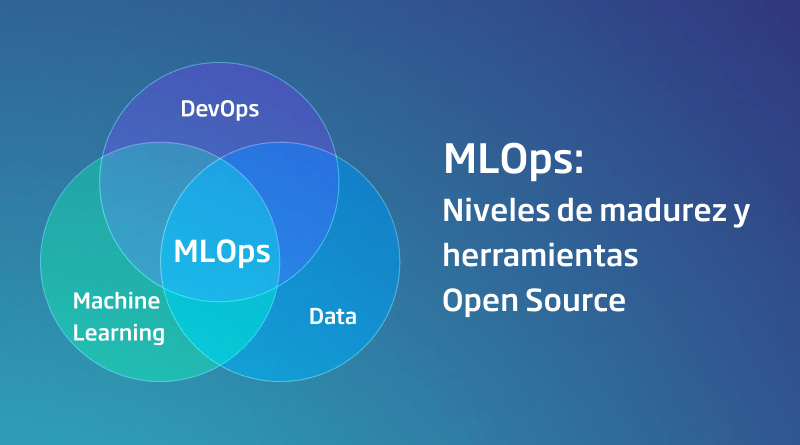





 Archie Evans Tech